Euwe de Wilde
Creative Technologist - Ultra Cyclist - Energetic Person
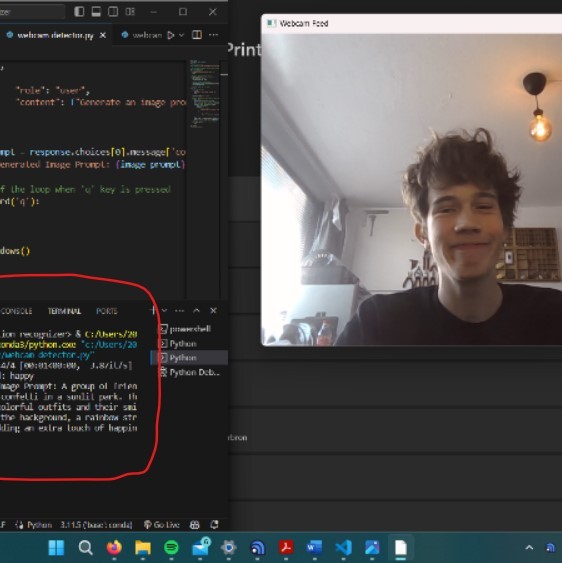
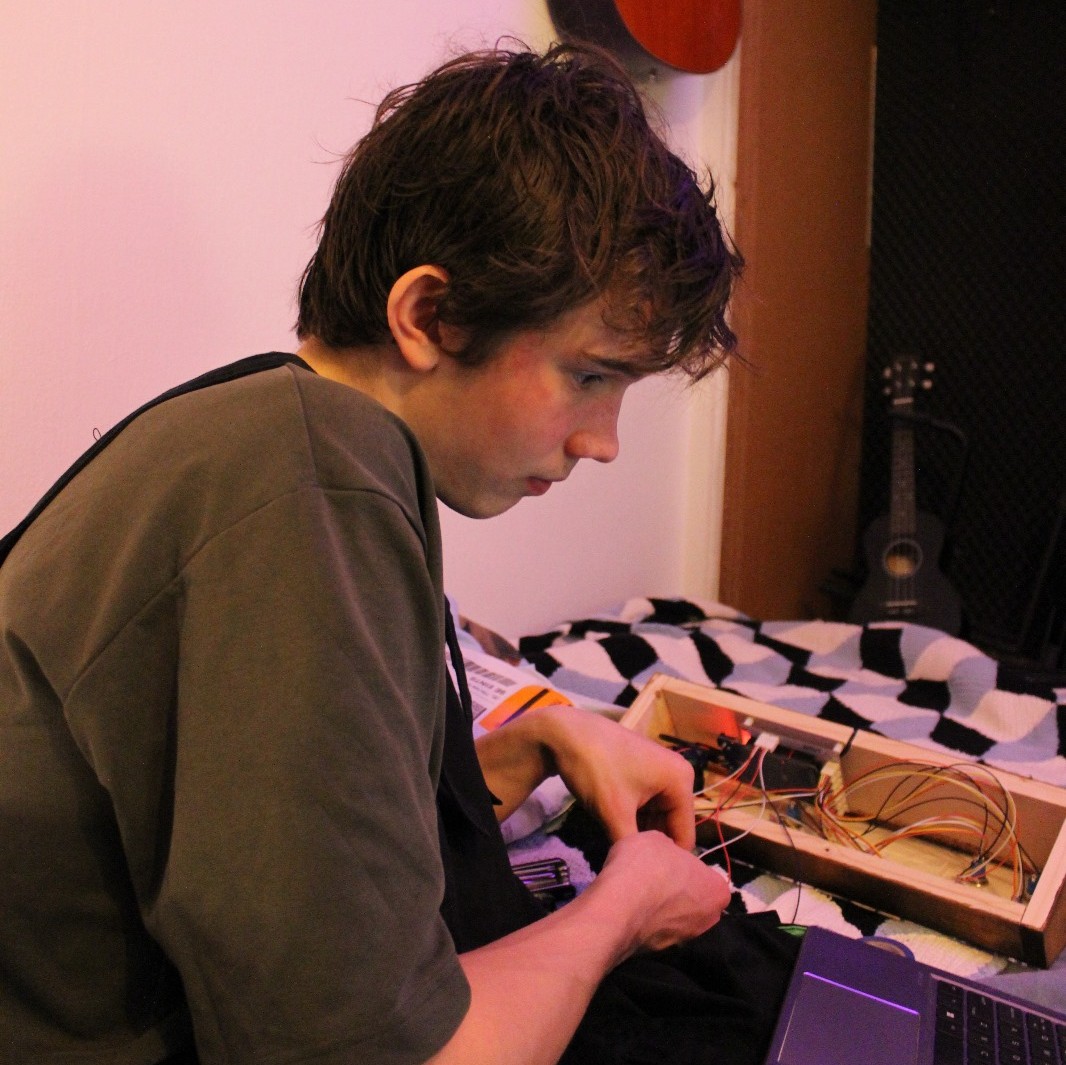
Identity
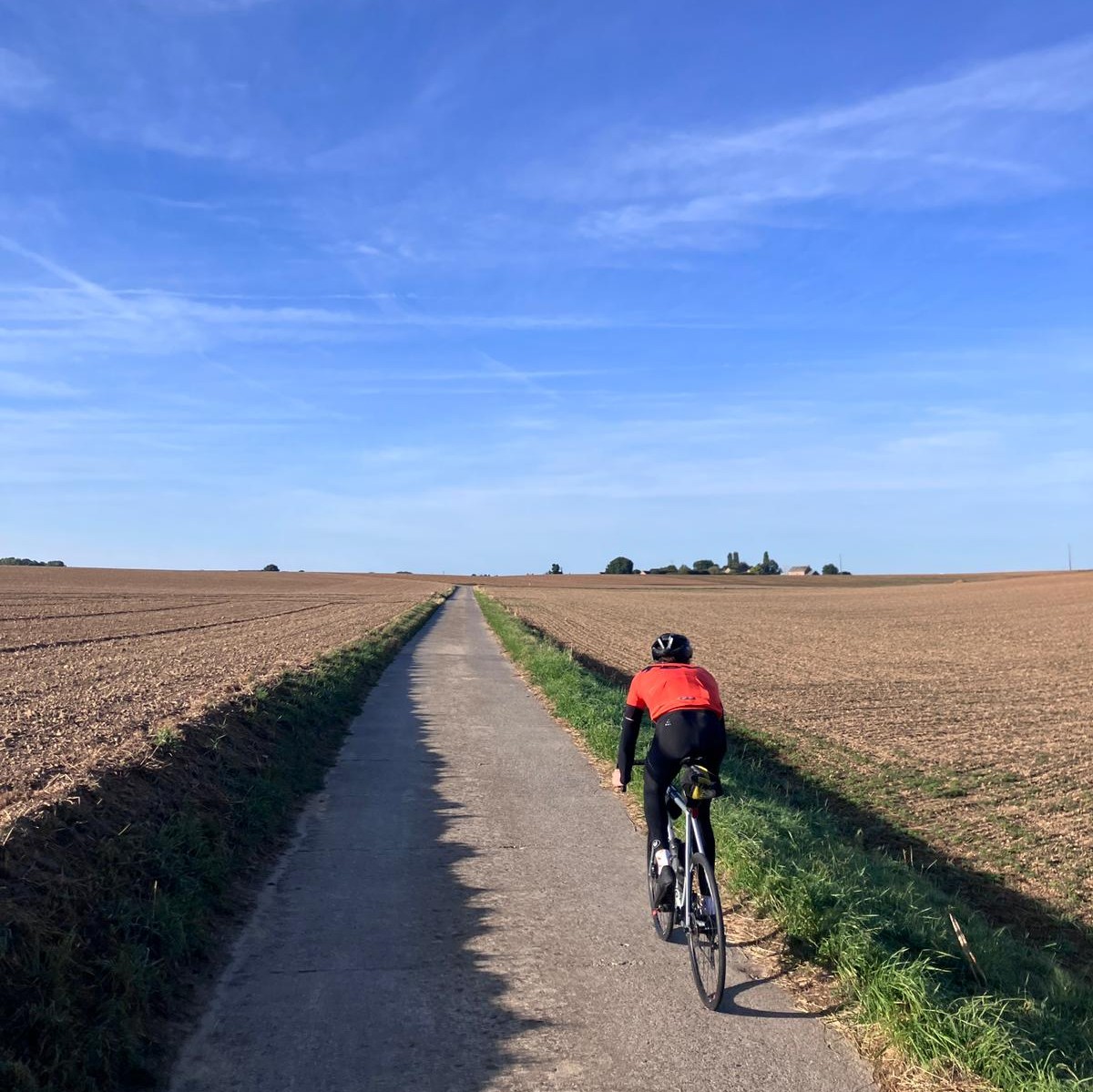
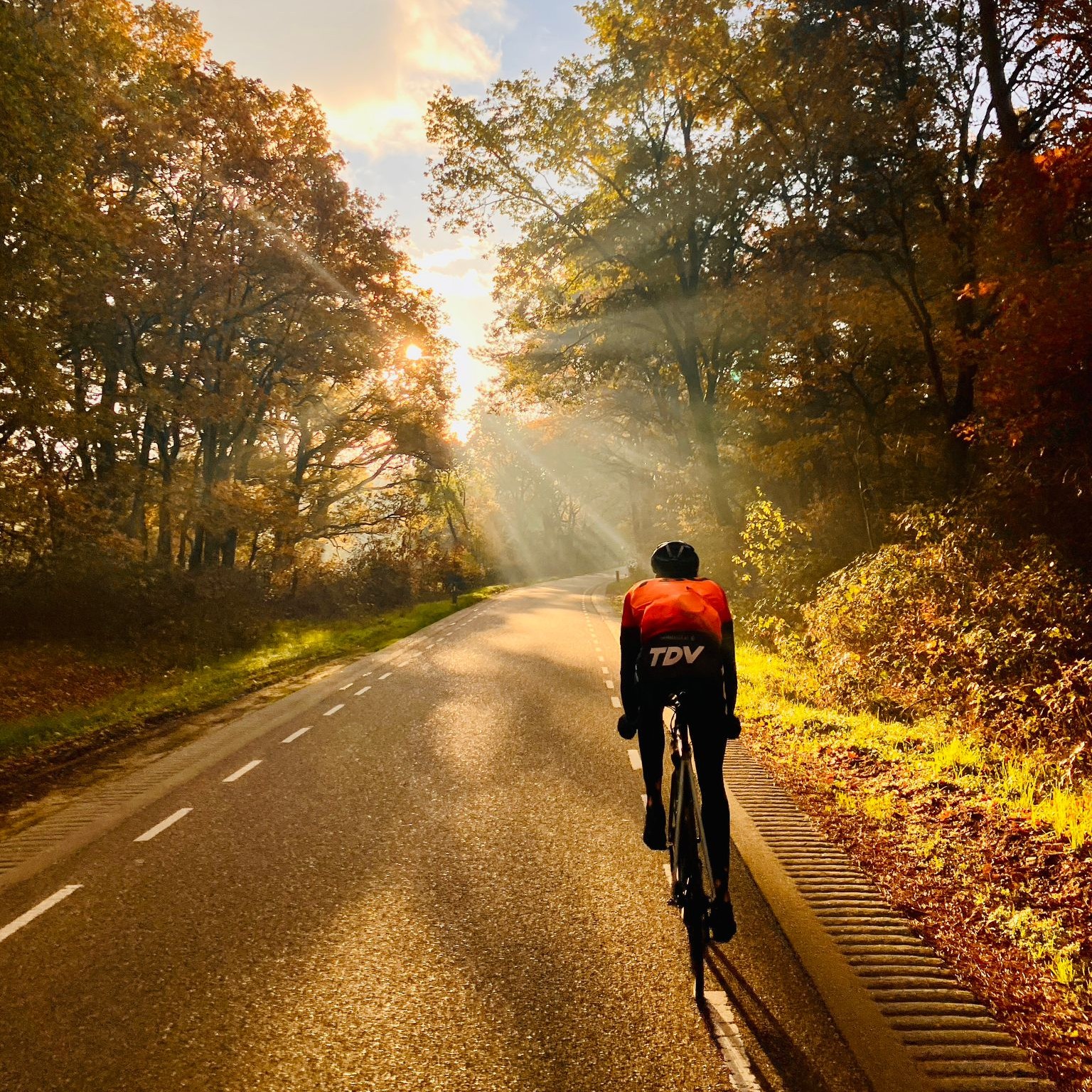
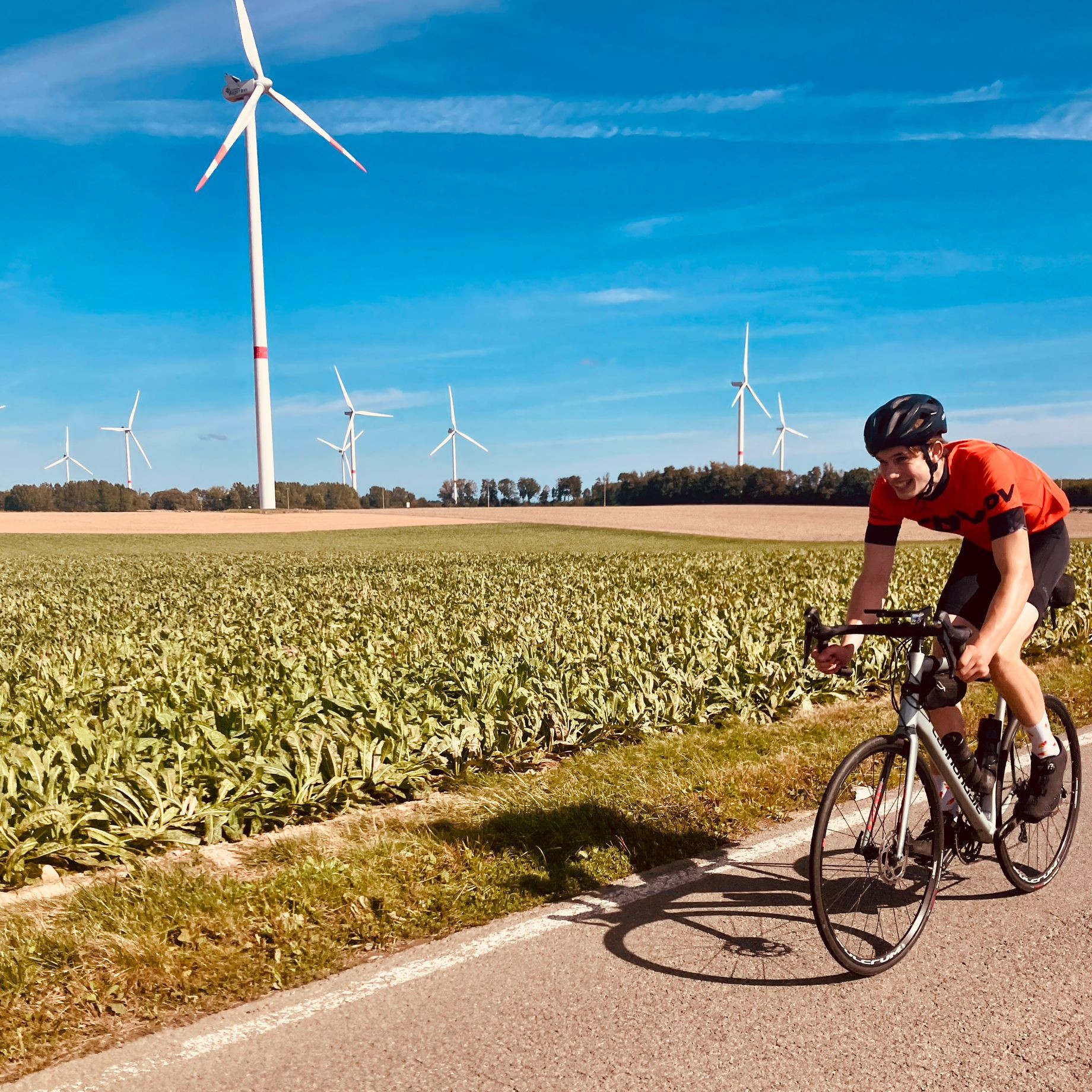
I love learning new skills and concepts and then applying them in context. This is due to my high intrinsic motivation, which drives me to pursue learning opportunities and avoid distractions that demotivate me from reaching a desired outcome. This often leads to high standards and results in a varied set of skills developed to a high standard. This is present in my personal life, for example in ultra-distance cycling, but also in an educational setting in courses and projects. I have "scheppingsdrang", the craving to create something novel, especially when it involves inherent complexity and making that accessible to users through design.
I always try to create complete systems that are executed to a high degree, which means that I need to have a holistic but also detail-oriented approach. I can, however, get stuck on those details, which makes me focus on making things work rather than looking at the bigger picture. To combat this, I started to implement a more structured design process. Earlier design processes followed a more chaotic structure of trying and starting over if something did not work, which often led to pressing time constraints. With the application of RTDP [3], this process became more structured, due to the reflection moments it embeds. This leads me to realize more quickly when I am drifting off track and what should be done to combat that. However, my application of the RTDP [3] process could still be more structured, not only reflecting on my performed design actions but also placing them in context and using them to explore various outcomes towards a desired solution.
In line with my vision, my designs aim to create novel solutions by abstracting complex technologies and making them accessible to users, thus creating new, useful interactions. To do so, an interplay between the various expertise areas is needed. While my strengths lie in Technology & Realization and Math, Data & Computing, I also realize that the other areas play an important role. Addressing all these areas within a design process will result in a design that has a substantial impact. To do so, I try to learn new concepts, frameworks, and methods in different areas and apply them in my designs. There is a tendency to rely too much on TR and MDC. This could be combated by applying the Research through Design approach, which uses the expertise areas as a starting point for design rather than using an expertise area to build on an existing design. This will be something I explore further in my master's.
My desire to create designs with high standards also shines through in collaborative work. I noticed that my positive, enthusiastic, and ambitious attitude helps to create synergy when working with clients and team members. However, in striving for high quality, I tended to take on too much work from other team members, out of fear that they would not meet my expectations. This often led me to take too much on my plate and eventually made me realize that this is not a healthy, sustainable approach to teamwork. I learned to address those issues as a group and tackle them with collaborative thinking and reflection. While I made good efforts during my bachelor's to improve this, it is still something I continue working on in future collaborative work.
Vision
The world is not the same as it was the day before; these are times of rapidly changing technologies that have big implications, from inventions in prosthetic enhancements to gene editing and artificial intelligence. A significant amount of money is put into the development of these sectors in the hope that they will produce meaningful results that could benefit humanity. However, this approach prioritizes rapid growth, meaning that the impact on other sectors is often neglected.
At the same time, there is a big focus on sustainability, with companies calling for "sustainable development". There is a contradiction in that statement: how can sustainability be achieved when a company is expanding? [2] I do not believe technological progress should be halted, since it has a significant chance to change and improve life, but there should be more transparency in its internal workings, and said technology should not be observed in a vacuum.
Nonetheless, technology seems to be more and more a black box nowadays [4]; users just give it input, and an output is received. This is particularly dominant in the field of artificial intelligence, but also in everyday consumer devices and software. The impact of its development on the environment is not revealed [5], and its internal workings stay vague and abstract.
Designers should be the conductors in making these technologies more transparent by being honest about their workings [6]. They should help people understand the impact a product has and how certain results are achieved. To do so, they need a deep technical understanding of the inner workings, in order to identify the pitfalls of an artifact. This will make critiquing more accessible, which I believe will result in better overall outcomes, not only in the short term but also in the long run, leading to more ethical, sustainable, and better-working products.
Past
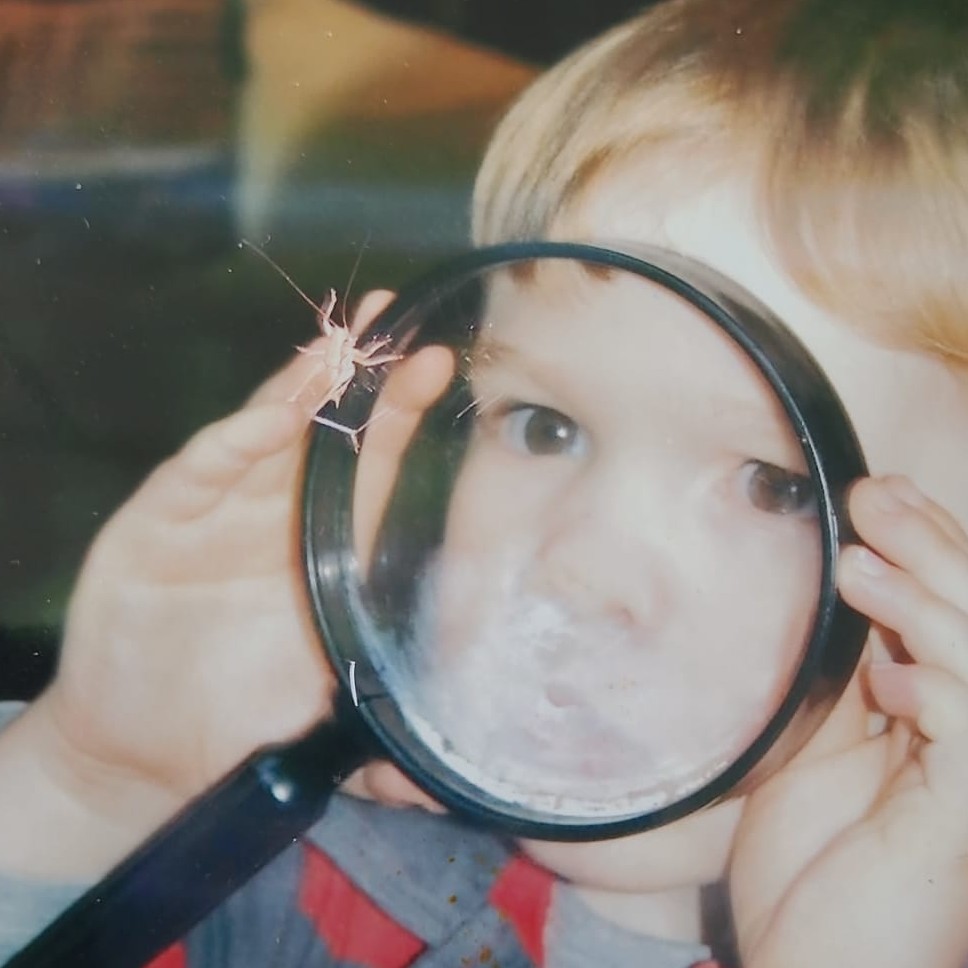
From a young age I have had a deep interest in arts and science, which resulted in a search for a study that could combine the two. This eventually led to the discovery of Industrial Design, where I could combine creativity and technology. Over the past years, these interests formed the basis that shaped me as a designer. This section highlights the main contributors that led me to become the designer I currently am.
First Year
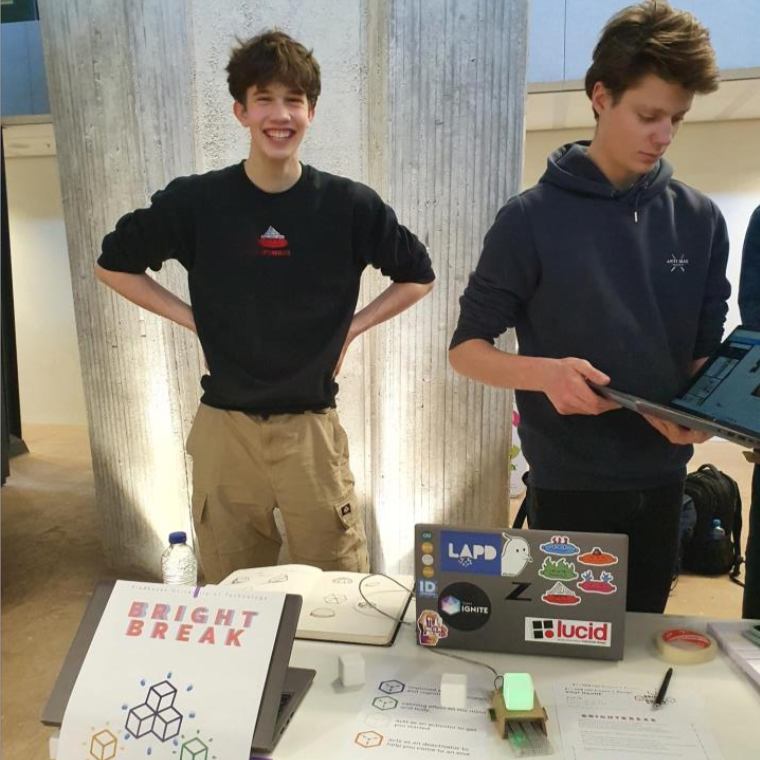
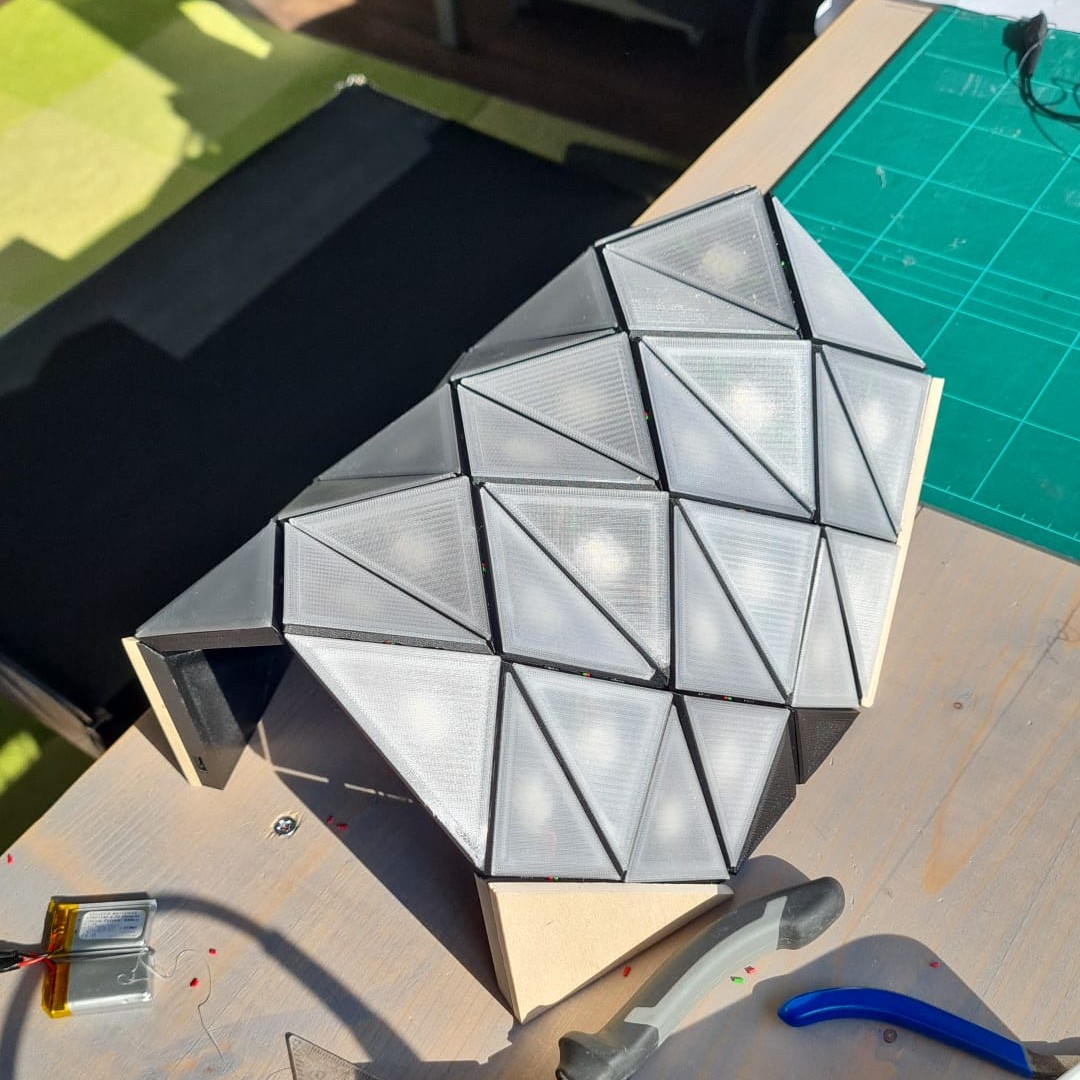
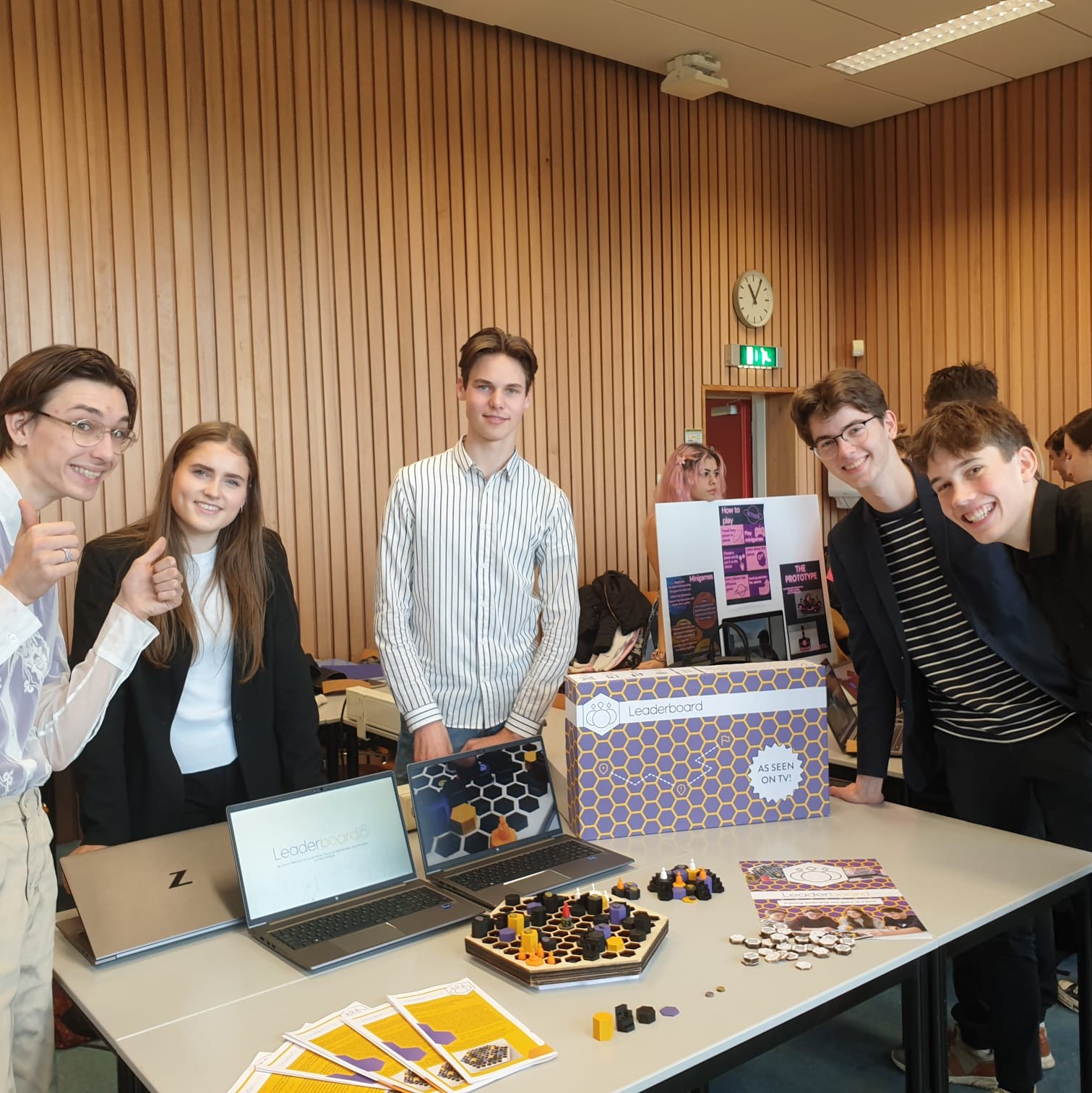
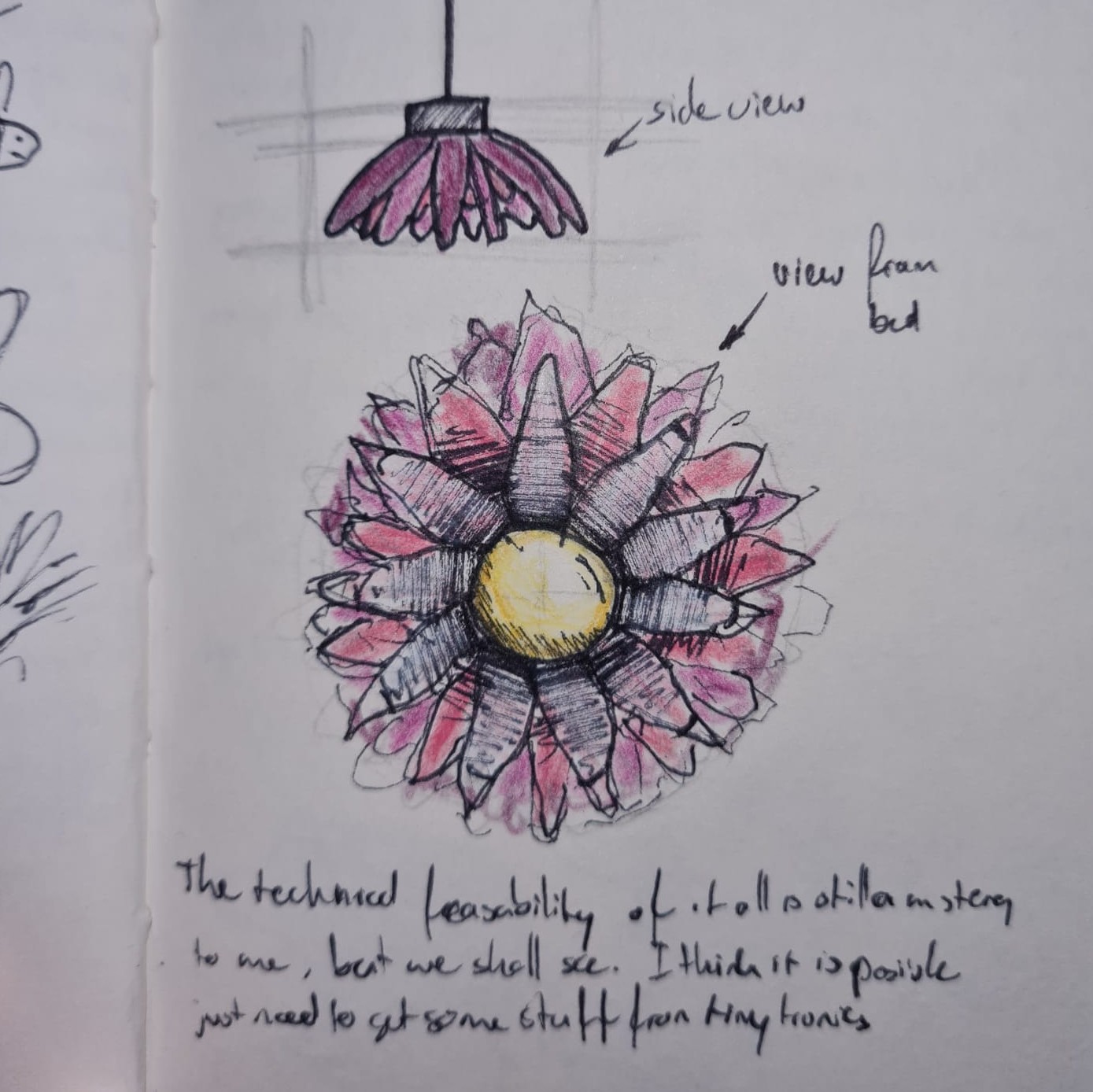
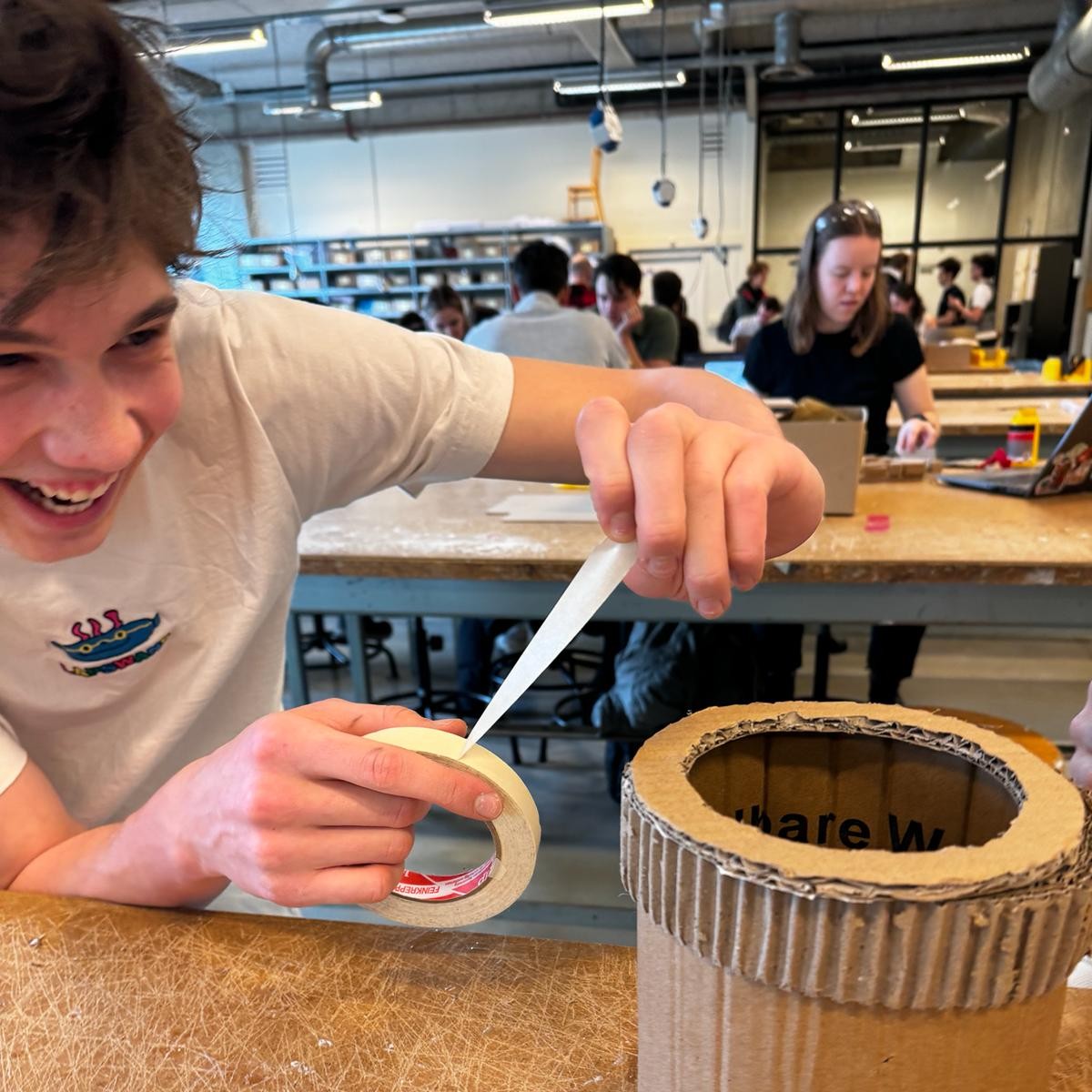
From Idea to Design was the course that introduced me to the design process of diverging and converging, where I would ideate, iterate, and prototype [CA, TR] to create a hybrid physical-digital board game. This led to "Leaderboard", a board game to train leadership skills in a group setting. Project 1 let me experience the diverging-converging framework in a longer design process, where I would apply the "Double Diamond". It was also the first time I would apply user testing within a design project [US]. This took place in the subgroup "Vital People", where I developed a folding LED light ("LETT") that helped users focus and take breaks [CA, TR].
Project 2 - Artifice
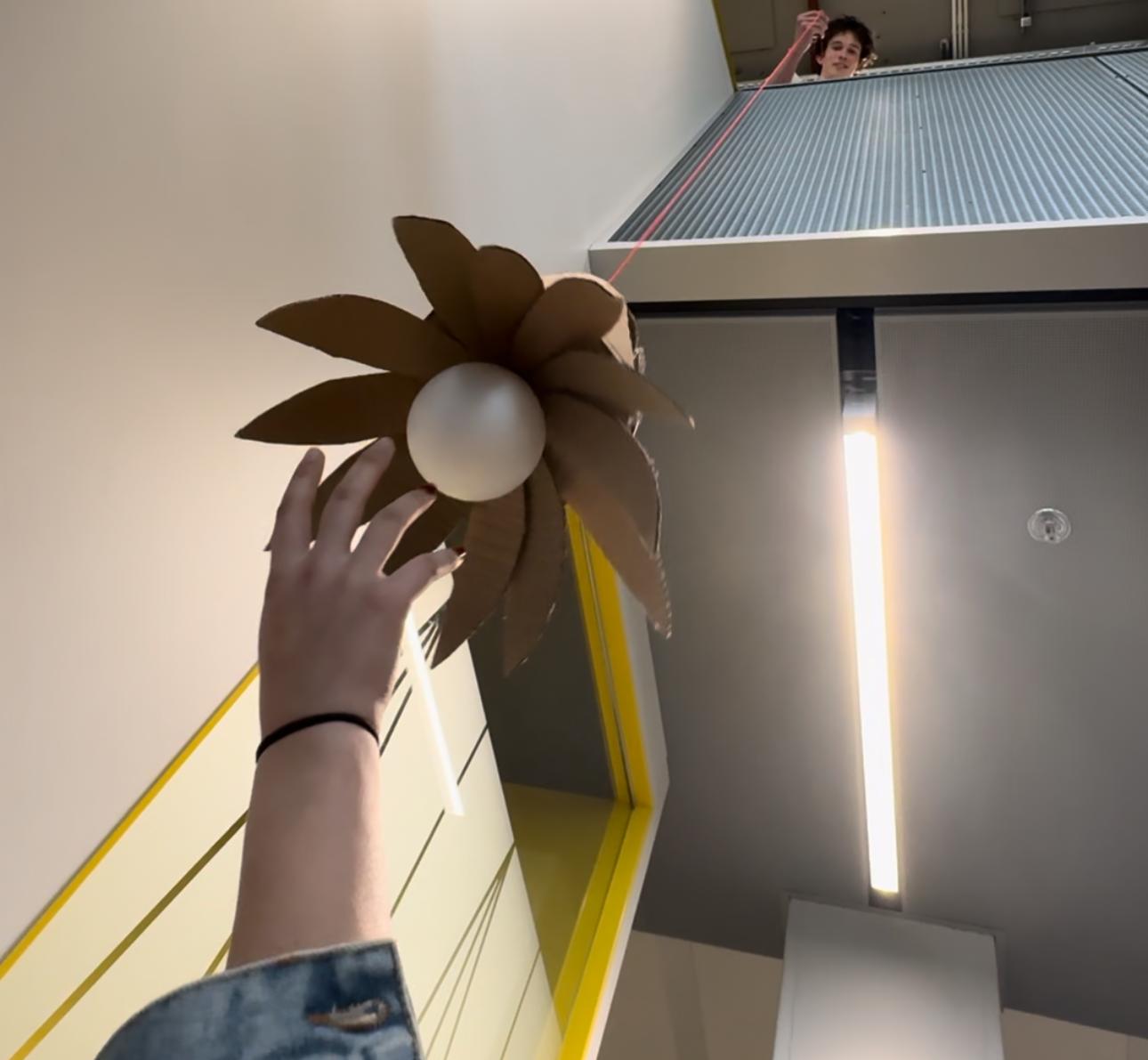
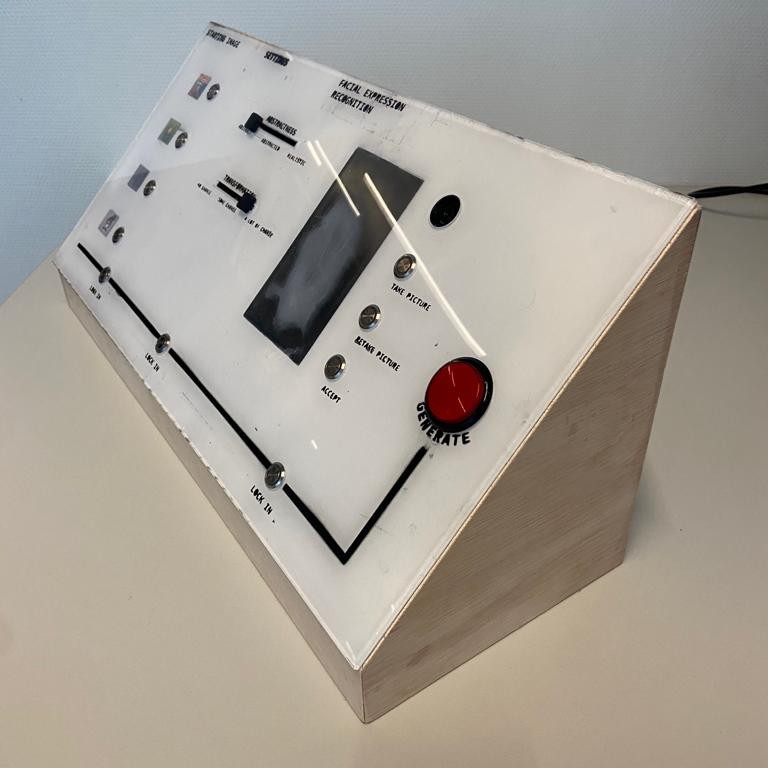
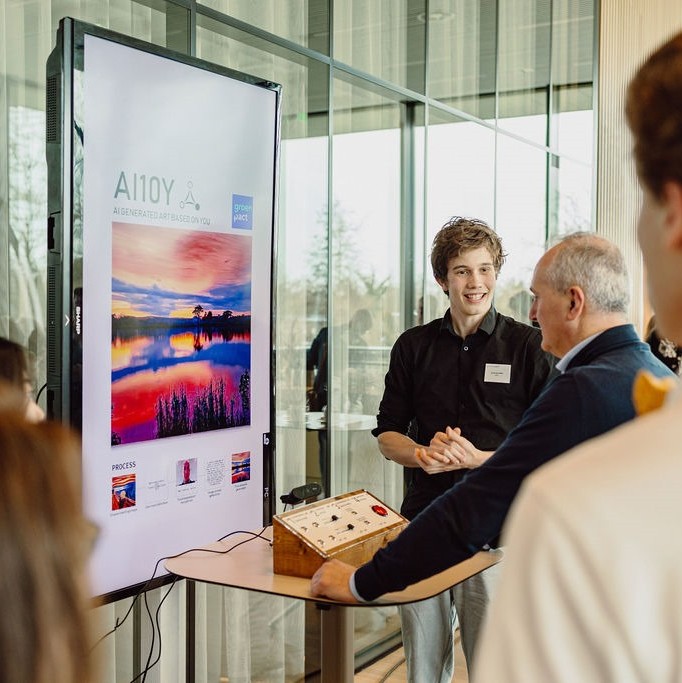
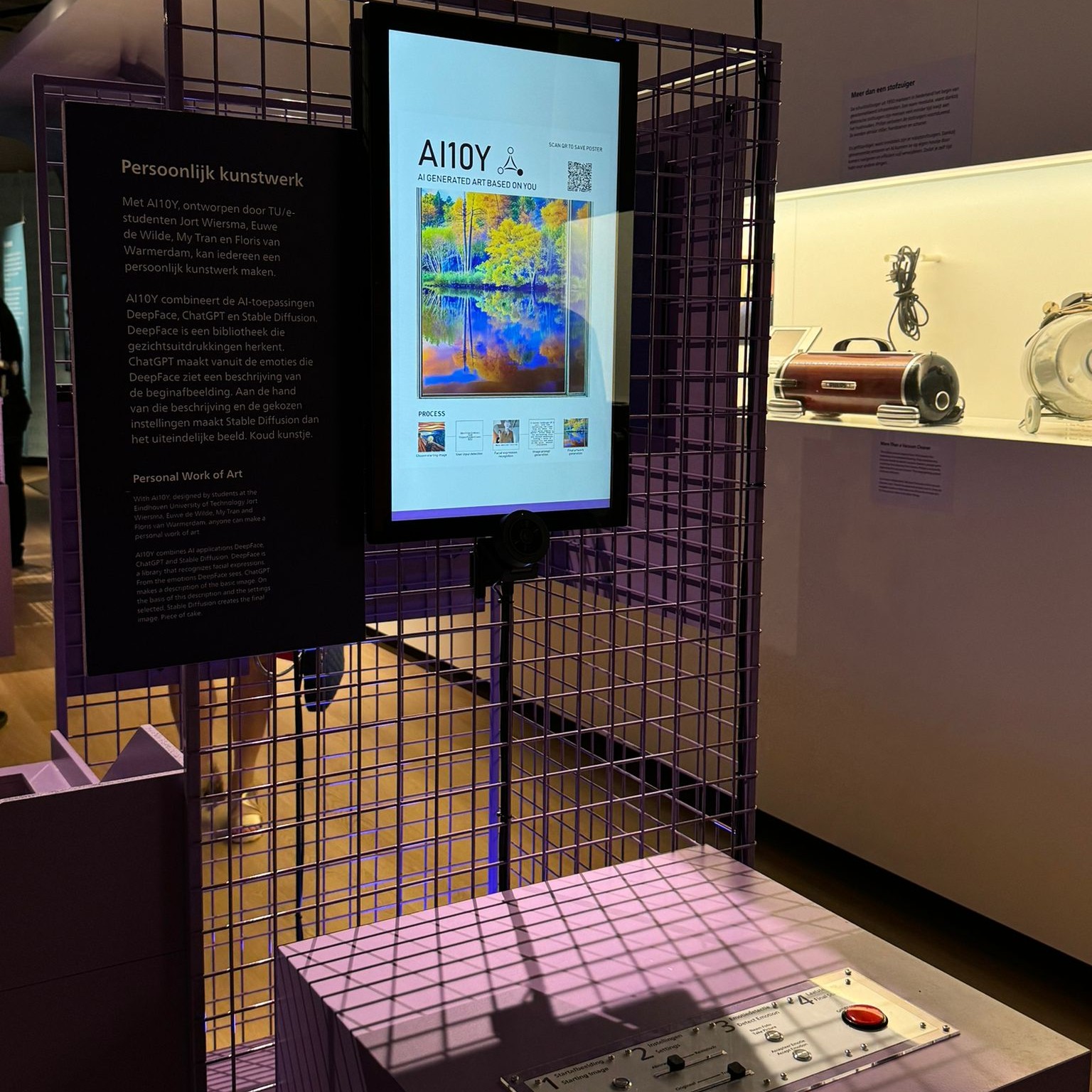
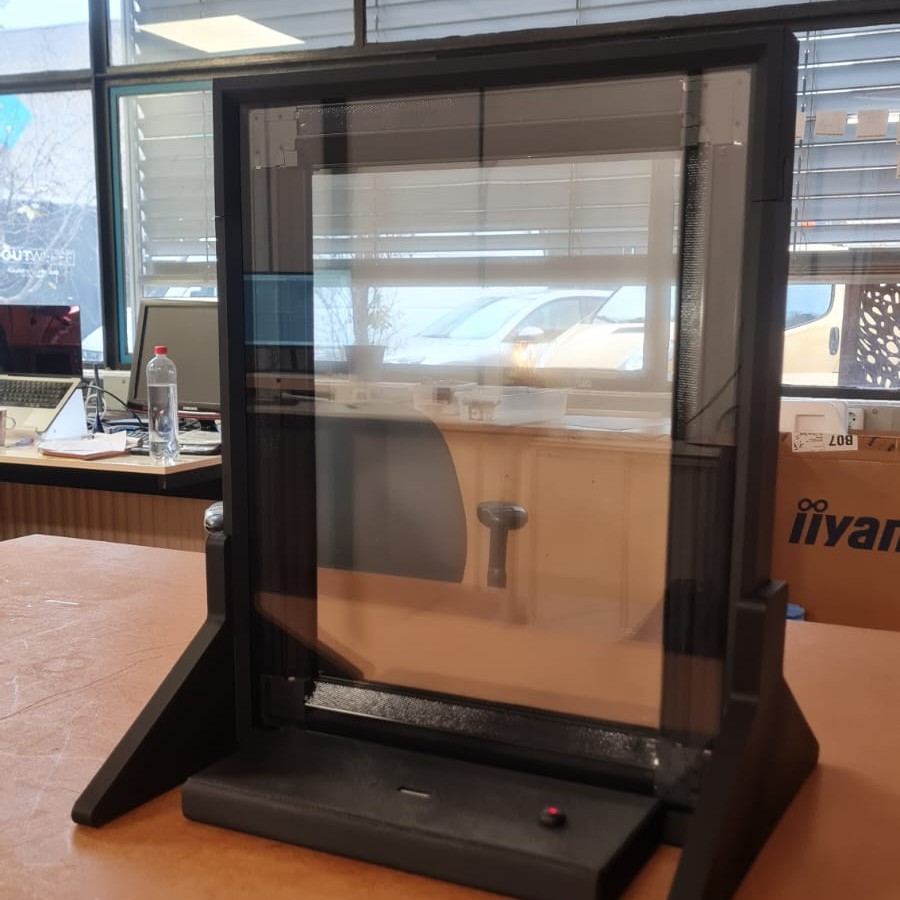
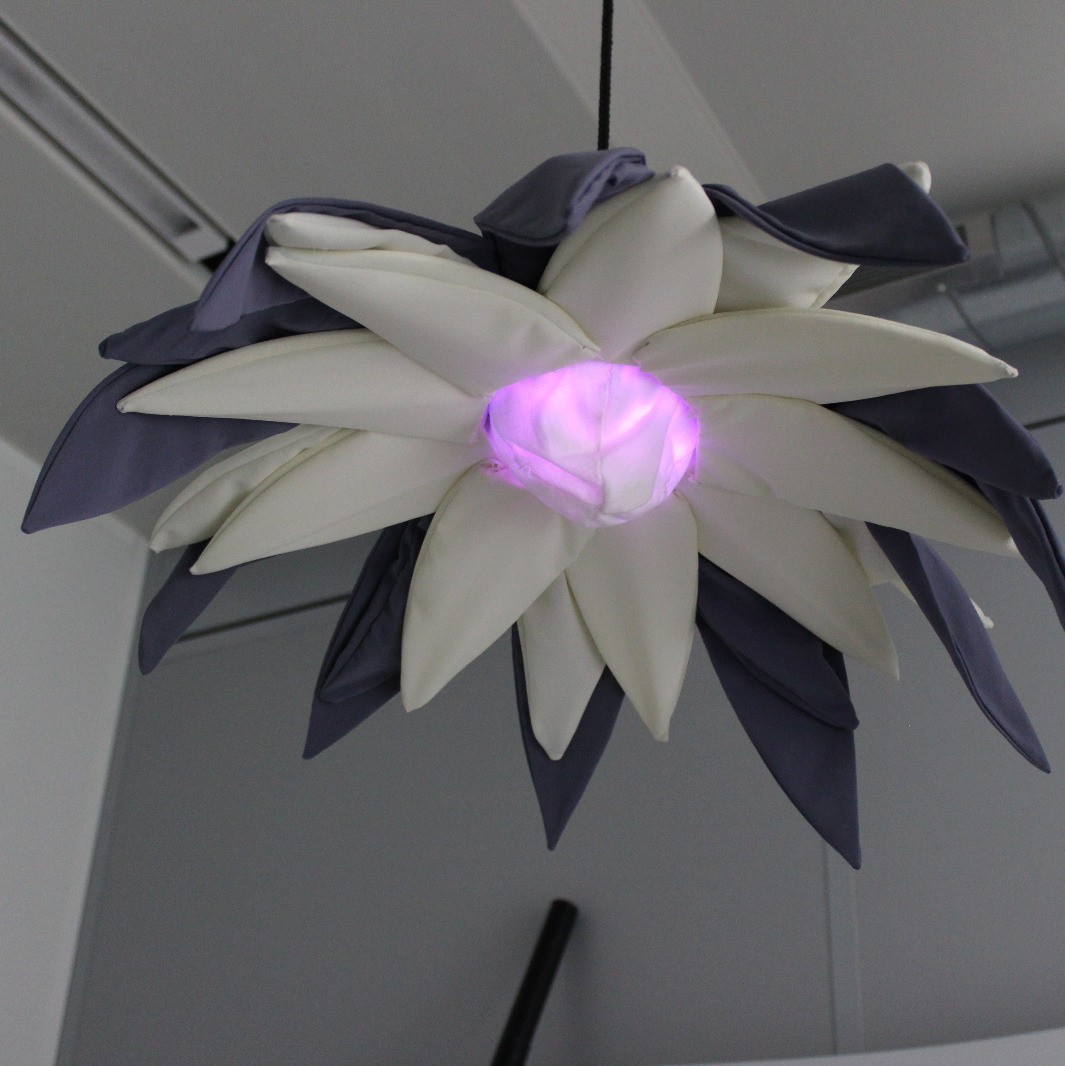
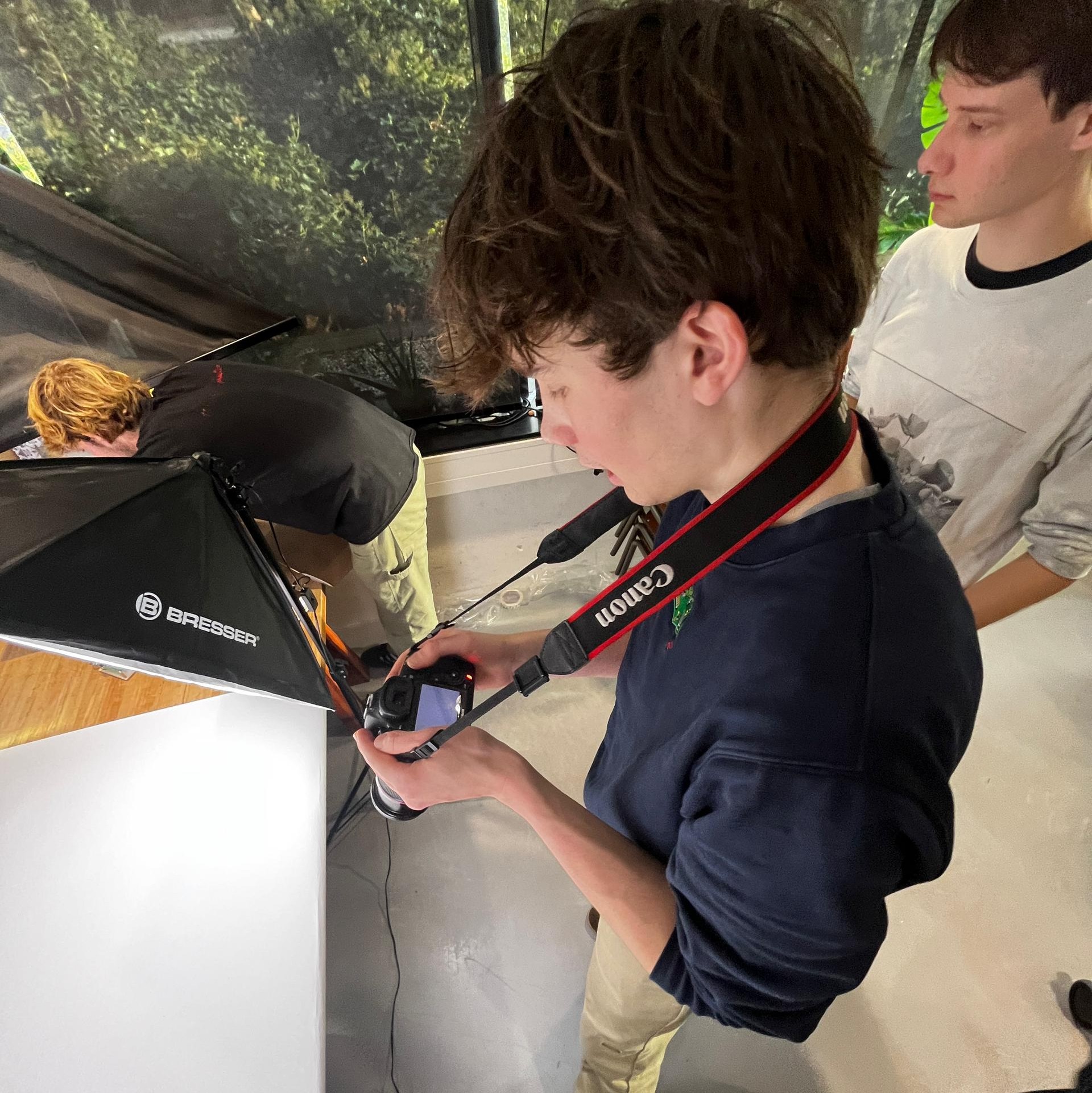
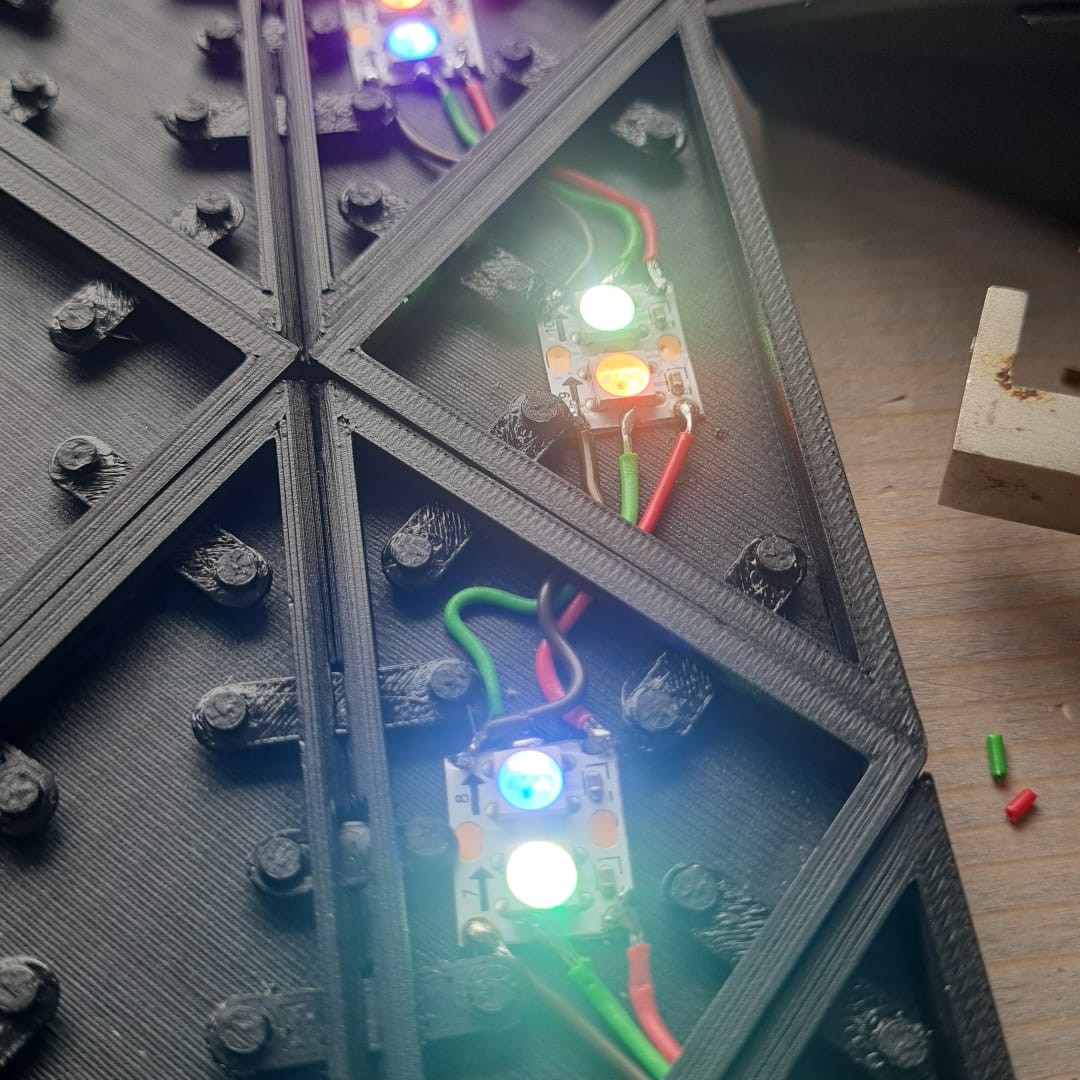
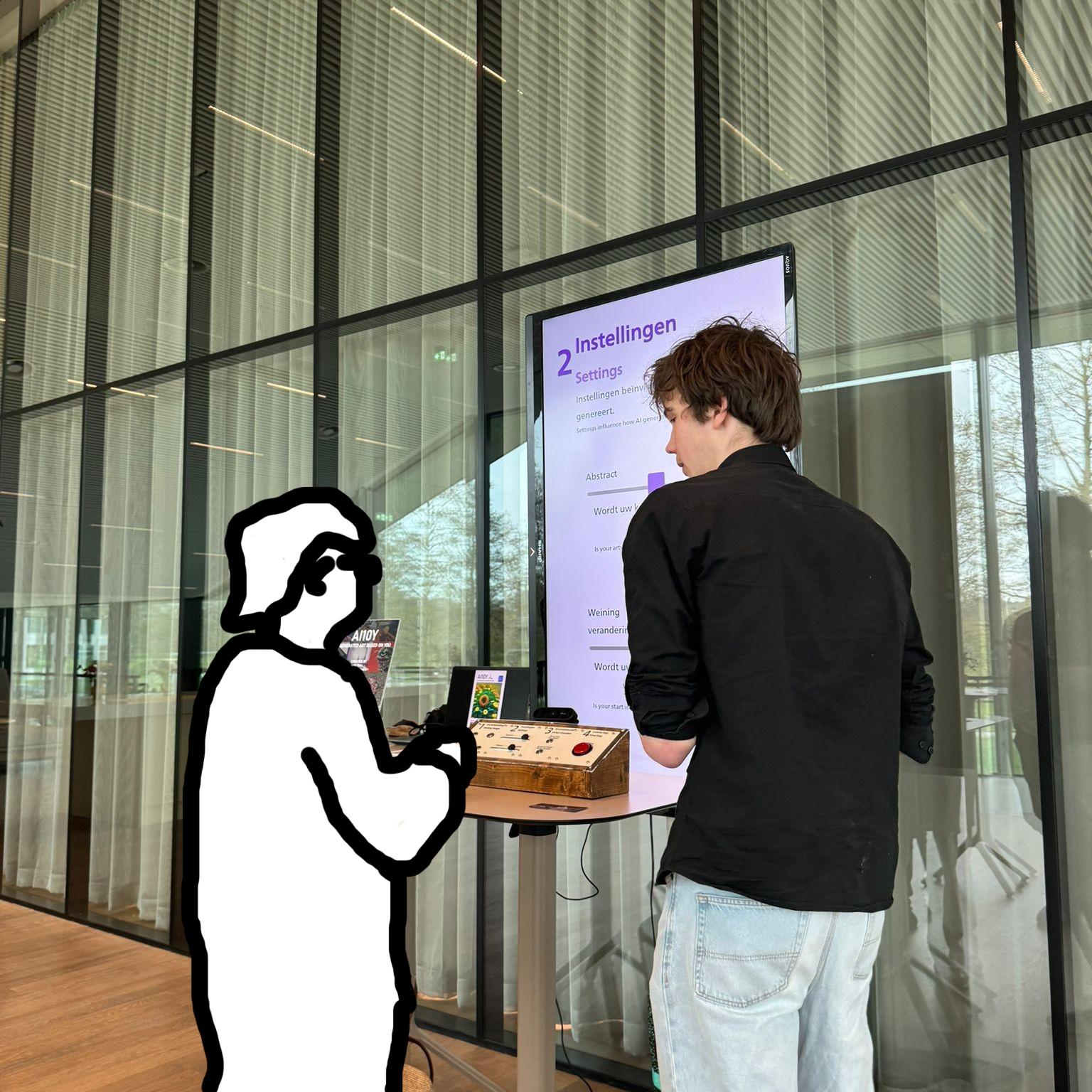
For Project 2, I designed an interactive installation that showed what AI could mean in a future home setting, made for the Philips Museum [US, BE]. During this project I learned multiple technical skills that would later form the foundation for all my physical-digital prototypes [TR, MDC]. After the project I developed the prototype (AI10Y, pronounced "alloy") further with the help of Interactive Matter, a collaboration that would later land me an internship. The project is to this day still on display at the Philips Museum.
Project 3 - Transforming Practices
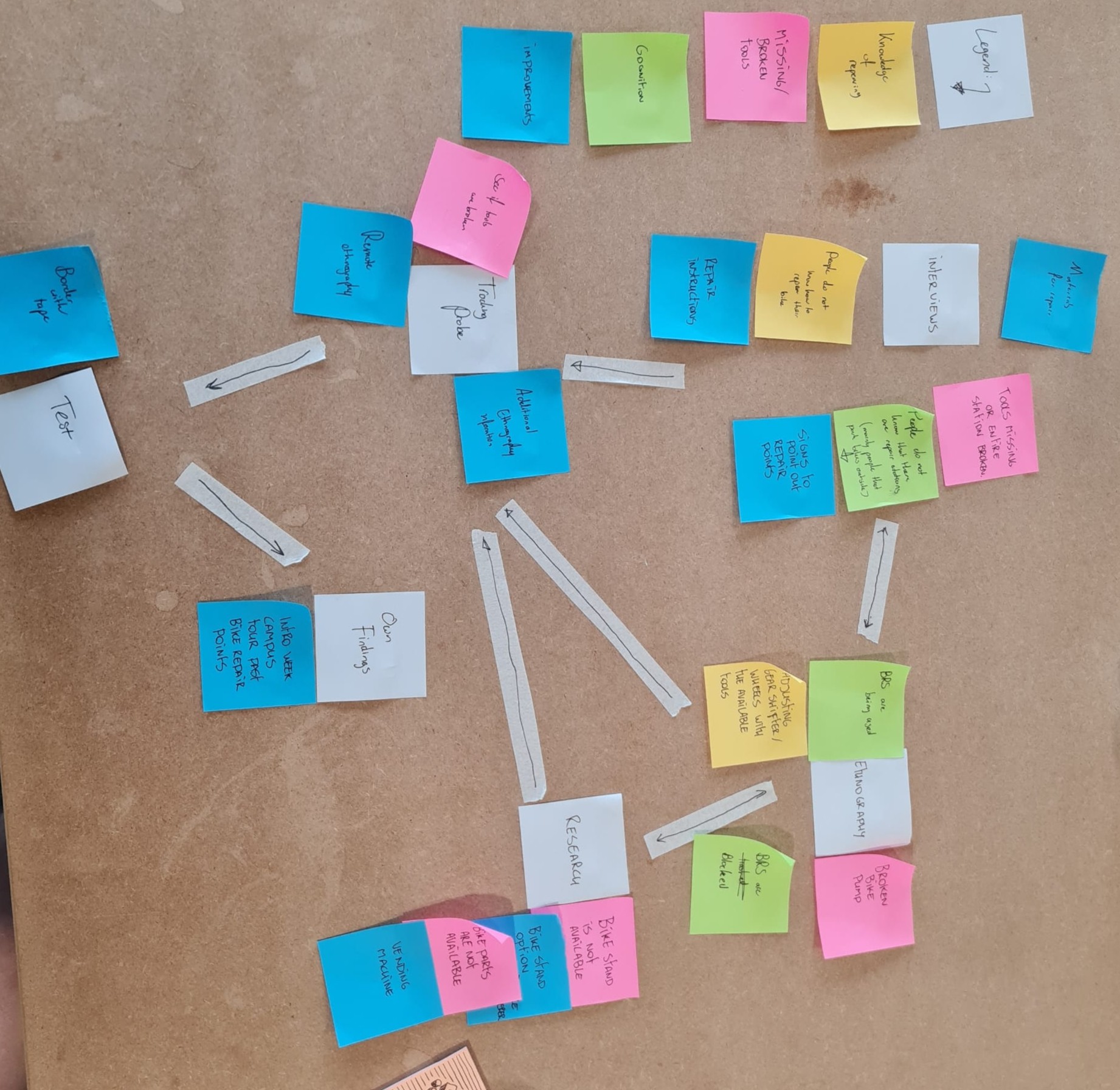
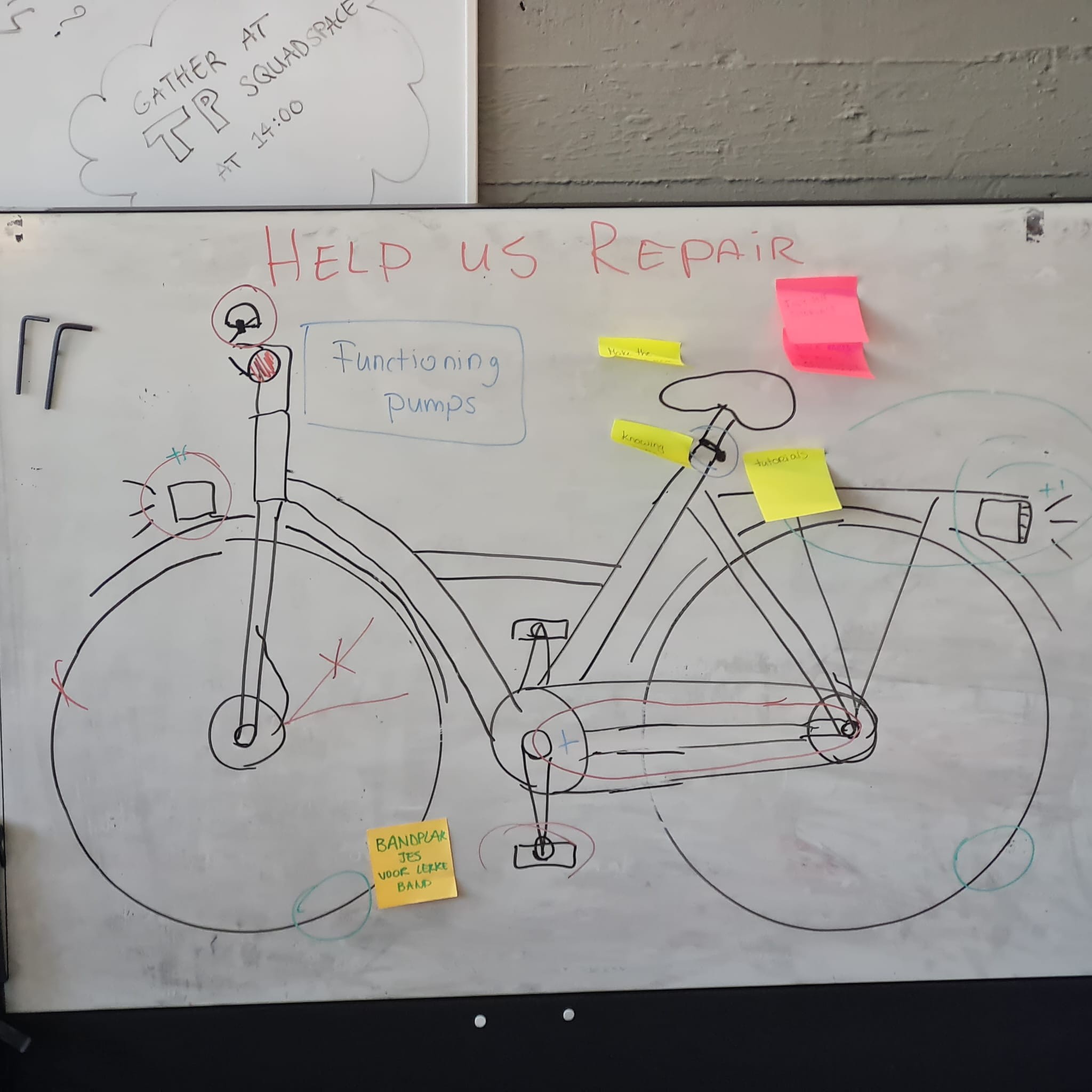
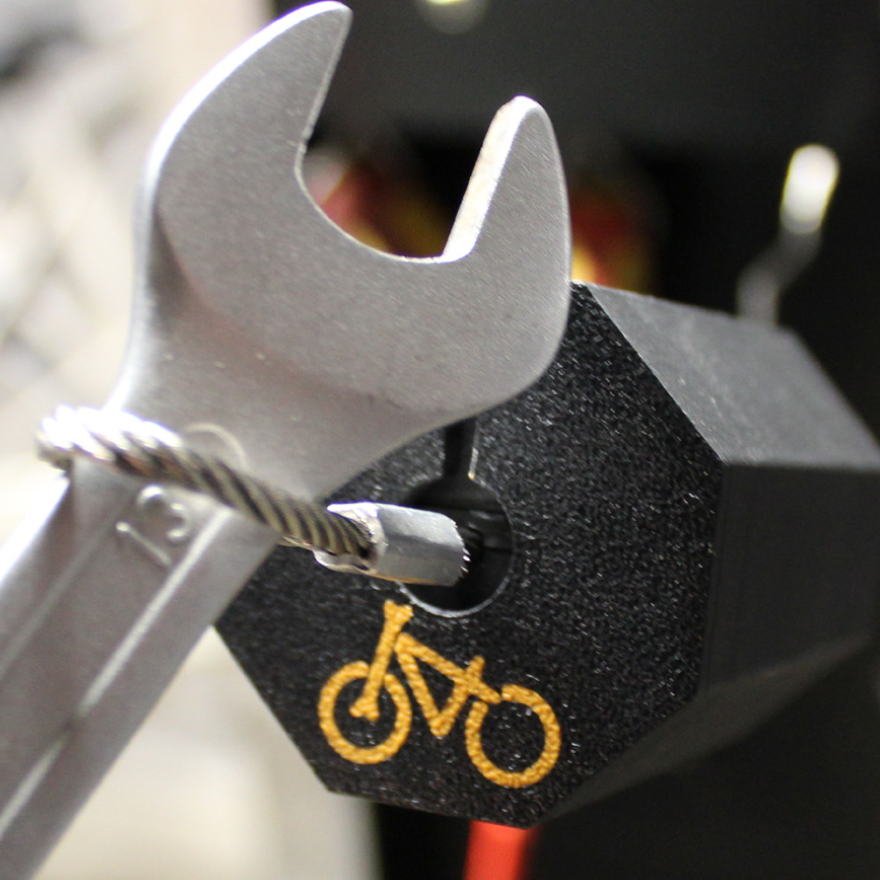
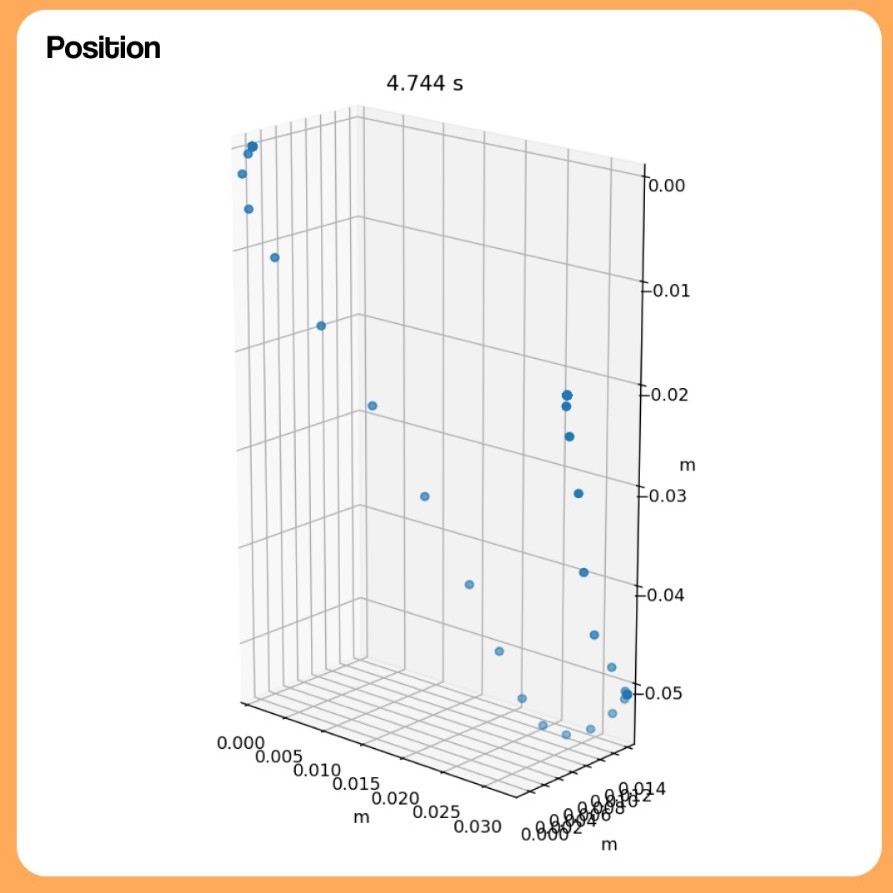
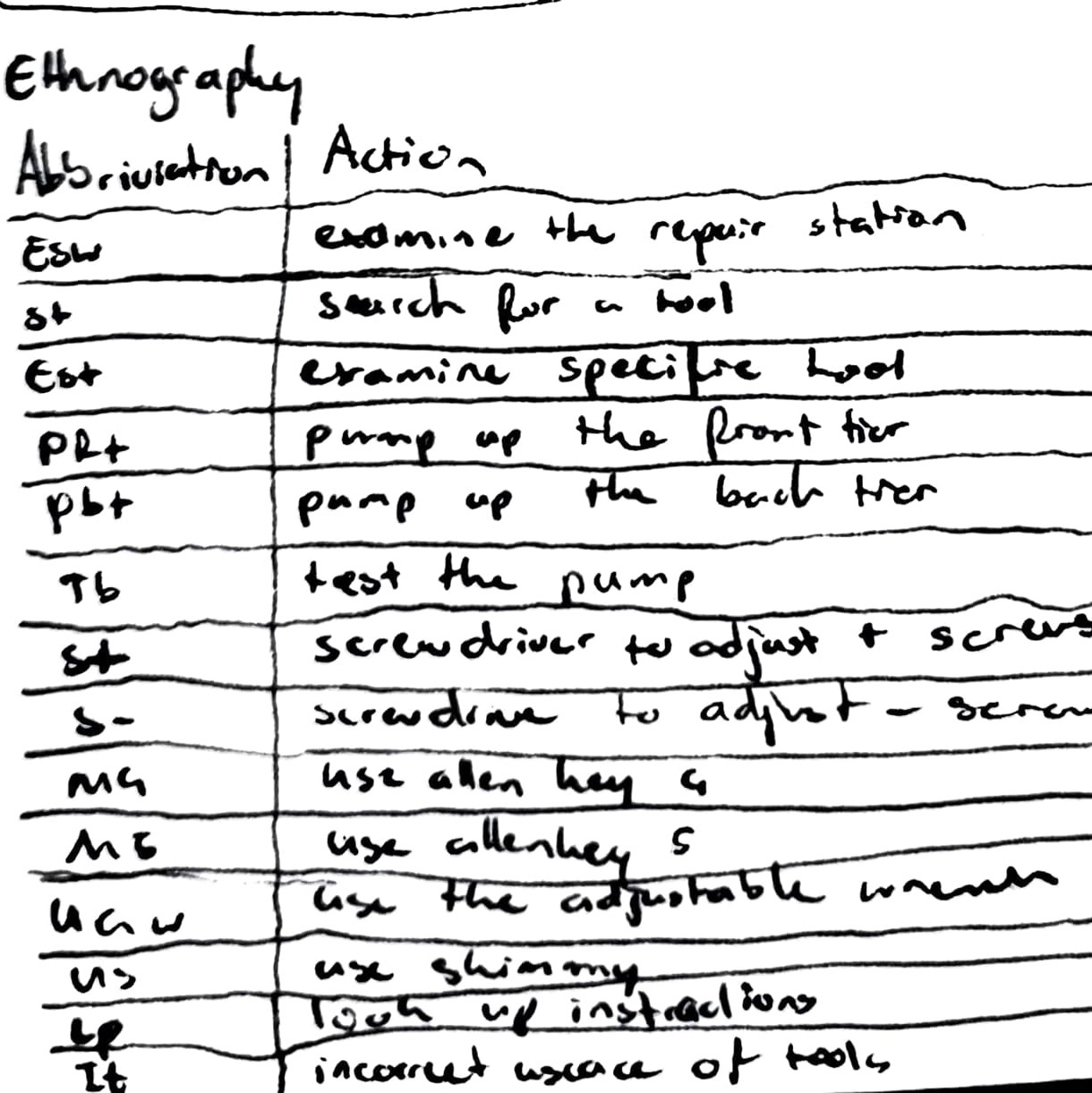
In Transforming Practices, a research-through-design process was applied that focused on ethnography in combination with bike repair [US]. A key takeaway was that studying human behavior can be done simply by watching and reporting the findings. However, doing this at a large scale is hard, which led to the development of an autonomous motion tracker that would track the tool usage of bike repair stations across a larger area, while remaining fully anonymous [TR, MDC]. This tool would later be used to efficiently validate changes that improve the bike repair stations.
Internship - Interactive Matter
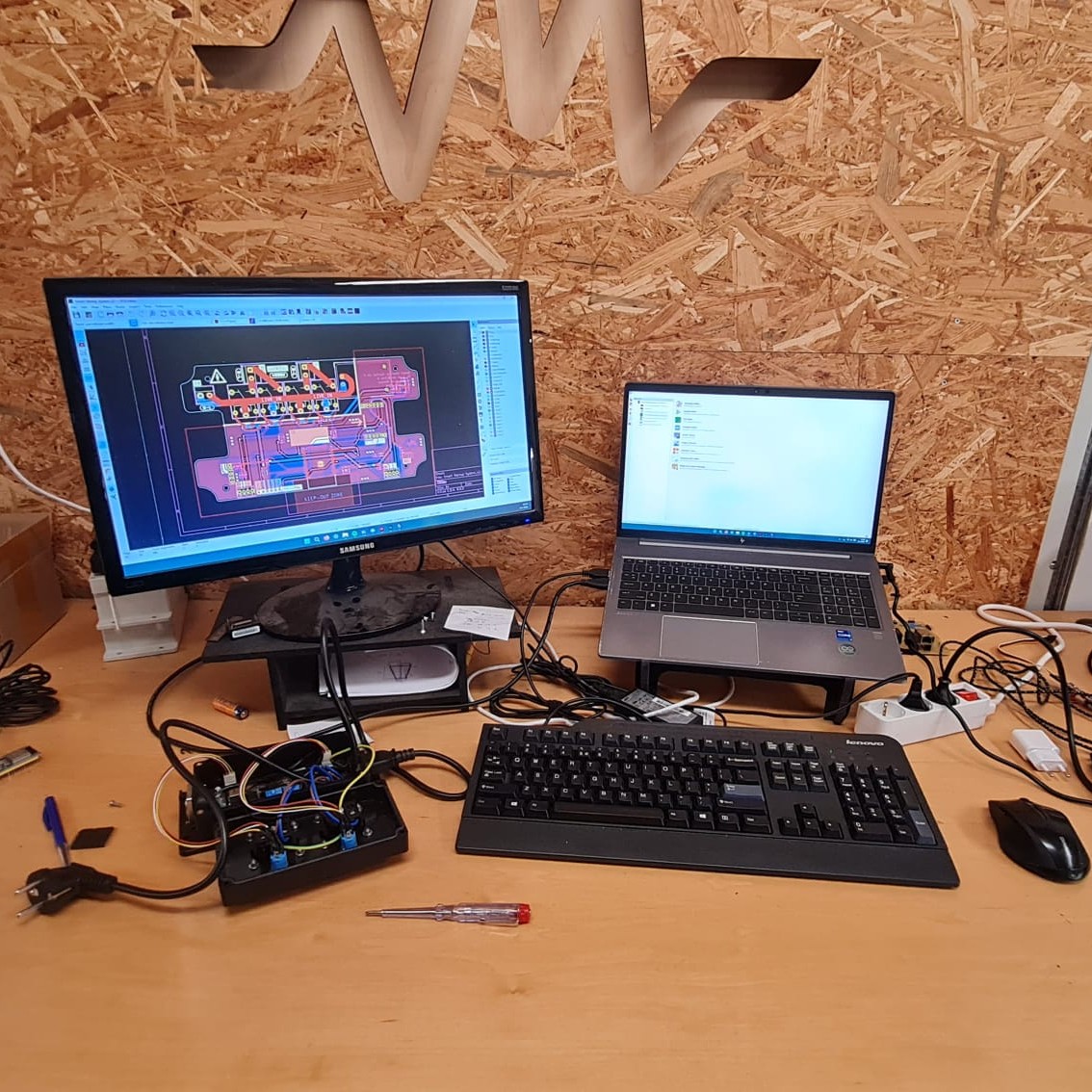
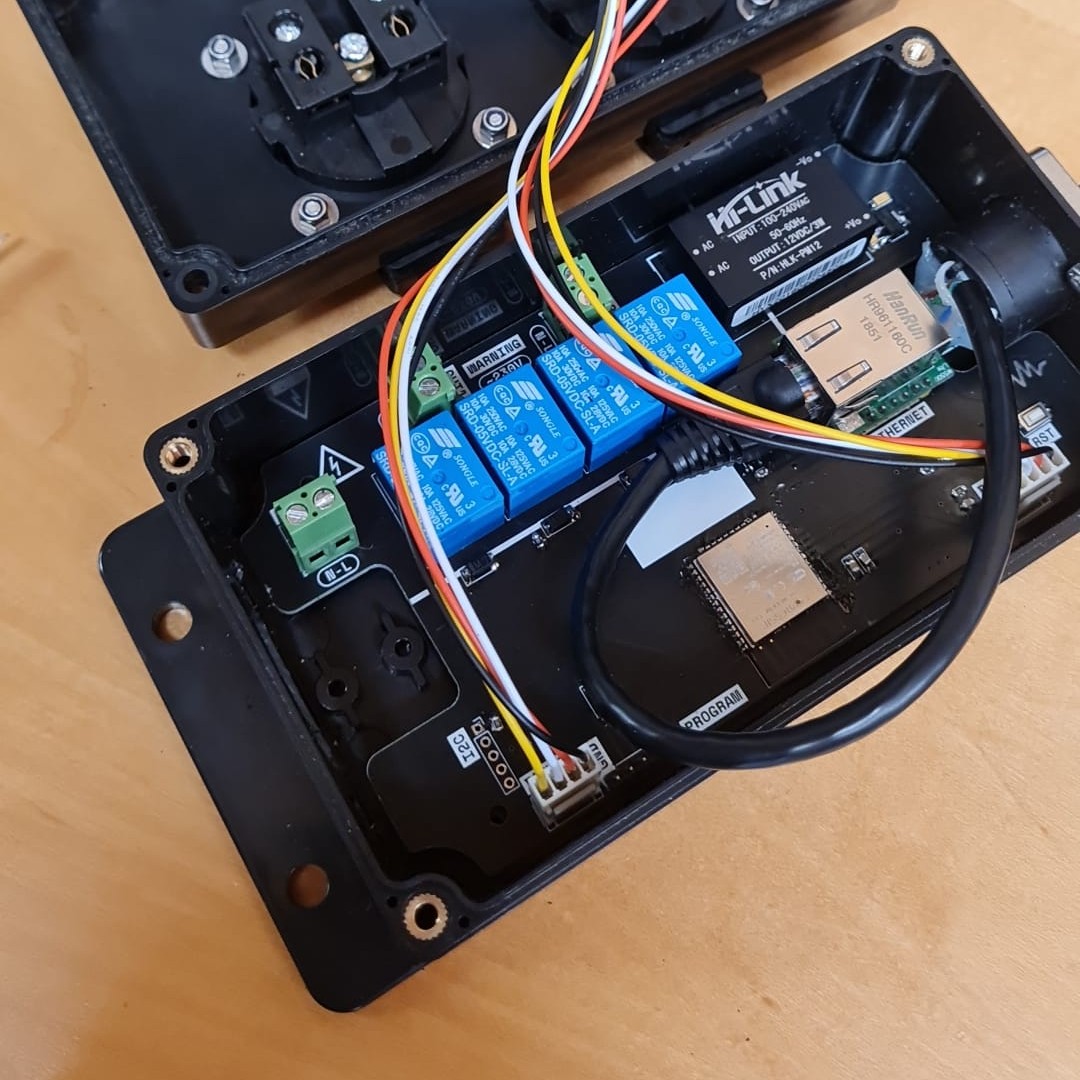
During my internship at Interactive Matter, I learned various technical skills regarding the realization process of design, and I gained insight into the behind-the-scenes of a design company. I learned to work with real clients and to produce high-quality, safe electronic prototypes to their requirements. I developed many hard skills (e.g. PCB design, software development, and advanced CAD modeling) but also soft skills (e.g. client communication, better time management, and working on a budget) [BE, TR, MDC].
Influential Design Courses
There were a couple of courses that significantly added to my development as a designer. Aesthetics of Interaction let me discover that beauty can also lie in interactions, not only in physical appearance, which I still keep in mind when designing [CA]. Several courses were also followed regarding business: Introduction to Business Design, Design Management, Design Innovation Methods, the Technology Entrepreneurship USE-line, and Futures Thinking. These courses provided me with the insights to analyze the viability and feasibility of a design, which made me a more critical designer [BE]. Lastly, I want to mention Intelligent Interactive Products, where I learned the fundamentals of AI gesture recognition and whose models formed the basis for my FBP [MDC].
Premaster - Mechanical Engineering
During my bachelor's, I also decided to follow the premaster of Mechanical Engineering to better understand the theory behind complex technical systems. Although the material learned in these courses was mainly theoretical, it gave me the foundation to better understand the complexities behind the technology in a design [MDC].
Extracurricular Activities
Besides my education, there were activities that significantly contributed to my development. Firstly, I want to mention the continuation of AI10Y, which after the completion of Project 2 was developed further to improve its user interaction, appearance, and technical functionality [US, TR, CA]. It has been presented at events such as the GroenPact conference, Kennisfestival, and Night of the Nerds, and it still stands, since April 2024, at the BrAInport exhibition at the Philips Museum. It occasionally needed a repair, which I would do during summer jobs at my old internship company.
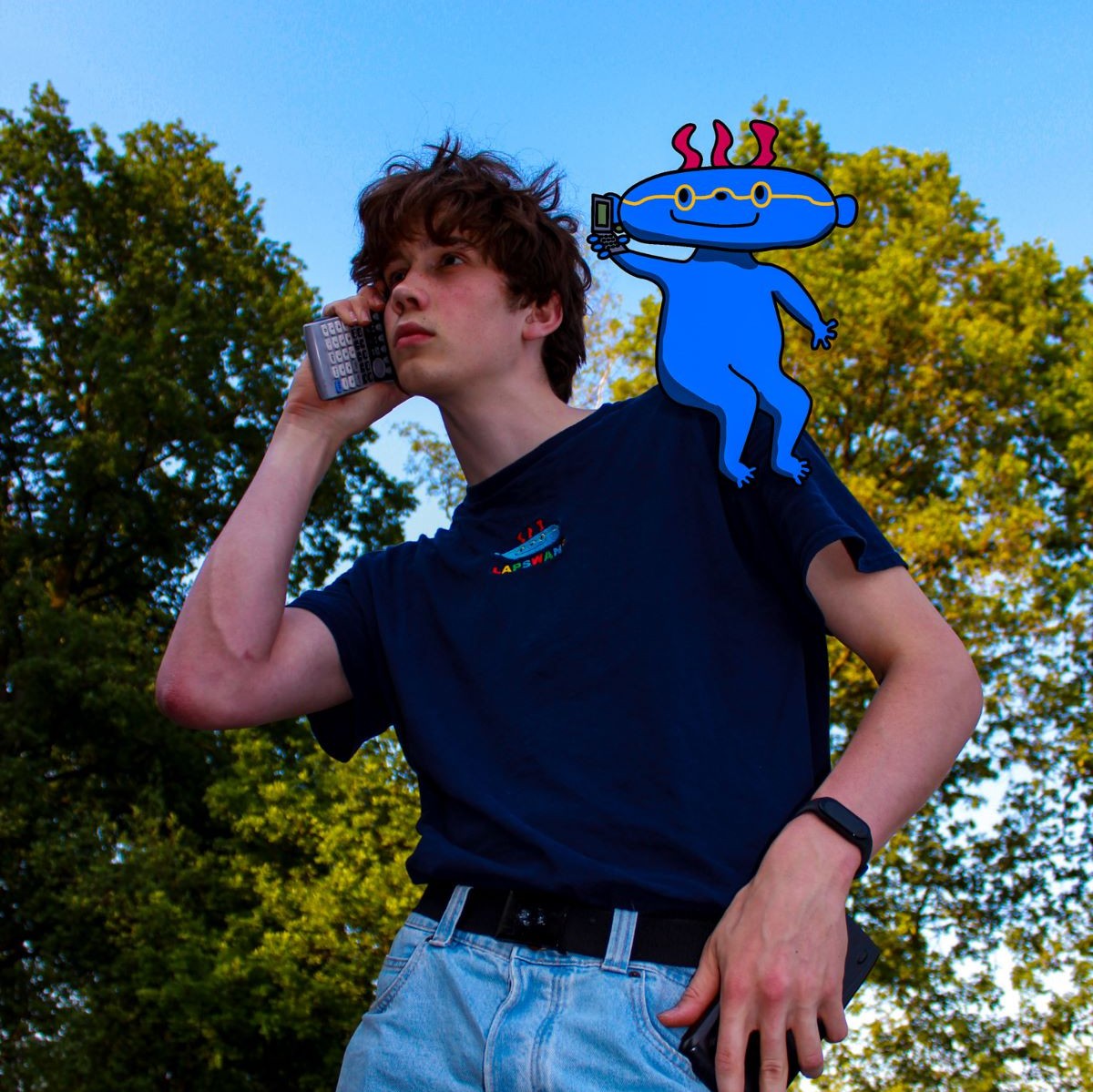
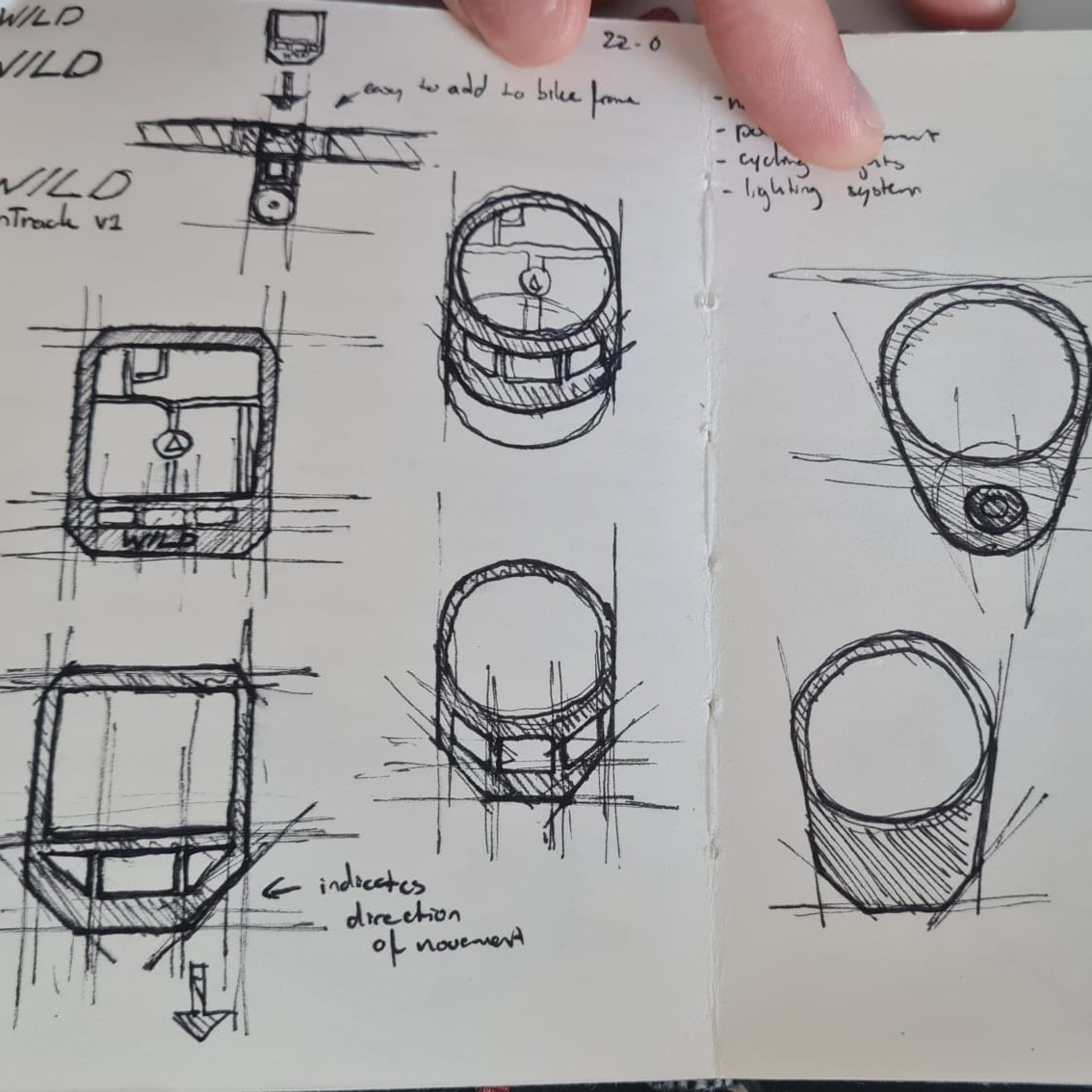
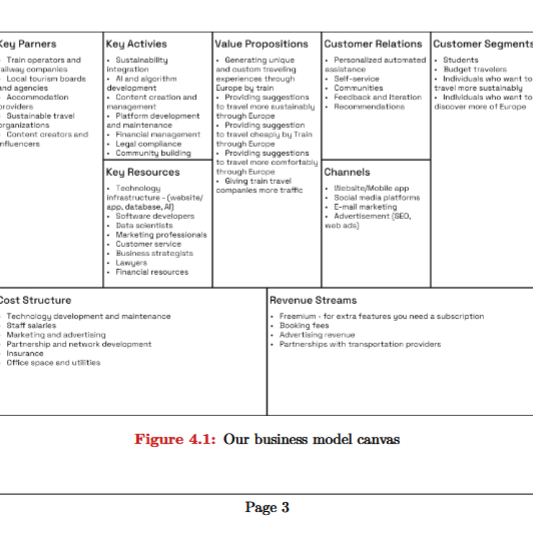
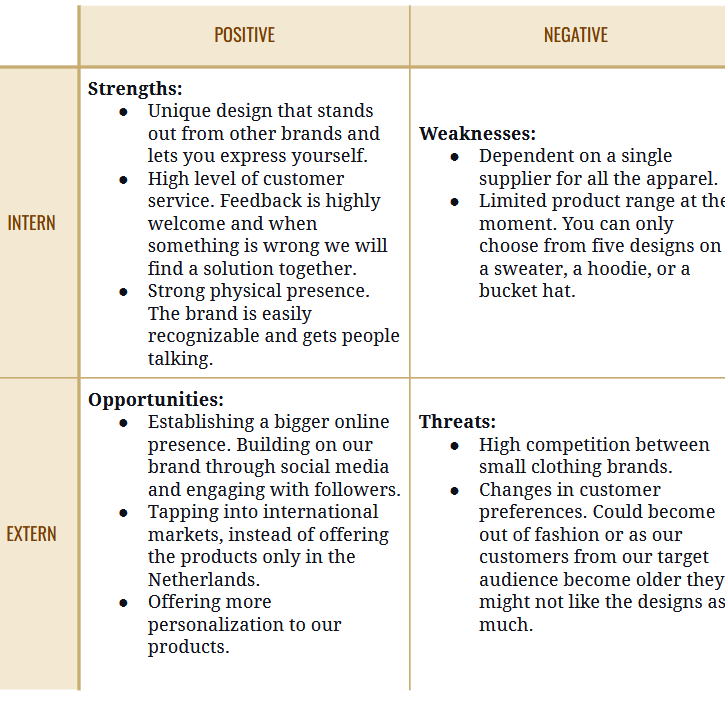
In my free time I like to spend time on personal projects. One I am currently still working on is the development of a custom bike computer designed with the intent to explore rather than follow a fixed route. I am currently making a Minimal Viable Product, but once it is finished everything will be posted on my GitHub [CA, TR]. Earlier on, I also started my own sustainable clothing brand called Lapswans, where I would sell ethical and sustainable apparel with a unique design. I decided to end this in my last year of study, due to a lack of time, but I gained many insights regarding running a personal business [BE].
I have been part of several committees, most notably LEARN (the extracurricular learning committee of Lucid), where I learned to structure meetings, budget finances, and organize educational events for large groups. Lastly, I want to mention the French EuroteQ course I followed during my FBP, since this academic year I decided to learn an additional language besides Dutch and English to better engage with a different culture. I started from zero and have since achieved a B1 level of proficiency.
Present
Business & Entrepreneurship
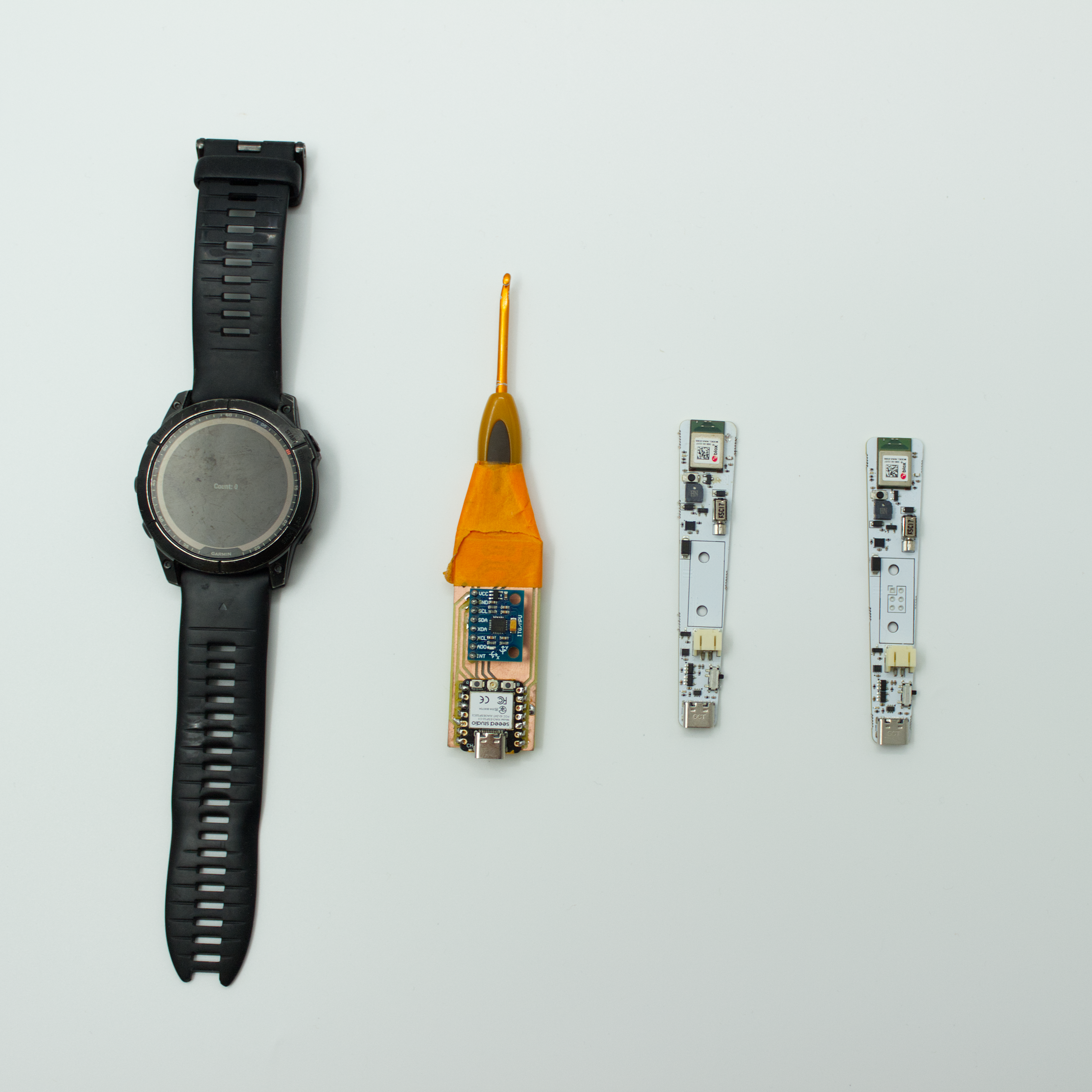
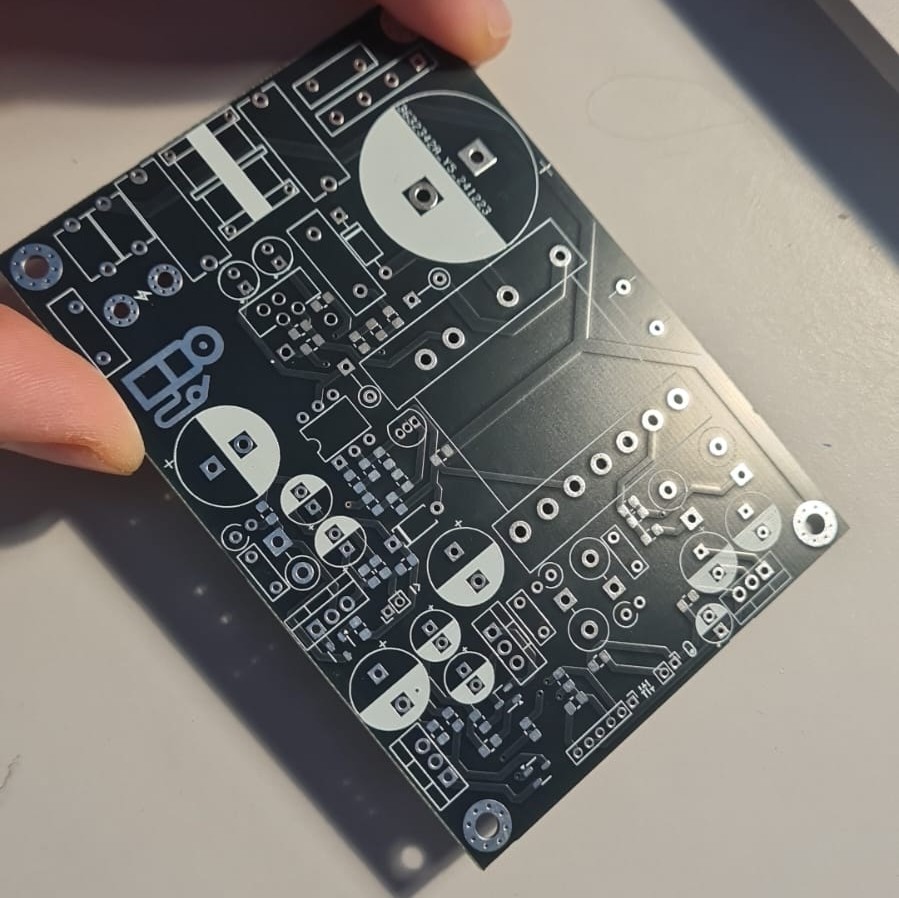
During my FBP I tried to see failure not as a dead end, but as a potential opportunity (e.g. the pivot from automation to collaboration), which fits the entrepreneurial mindset of being flexible and adapting for success. The goal was to create a final product with a high level of quality. To do so, I went through an iterative process resembling the lean methodology. A Build-Measure-Learn loop was applied, validating assumptions with Minimal Viable Products (the smart watch and custom PCBs) before committing to professionally manufactured PCBs. Making these professional PCBs also gave me insight into production costs, which is the starting point for future development into a real product. Although Build-Measure-Learn was applied, market validation remains the next loop to validate the potential of the product.
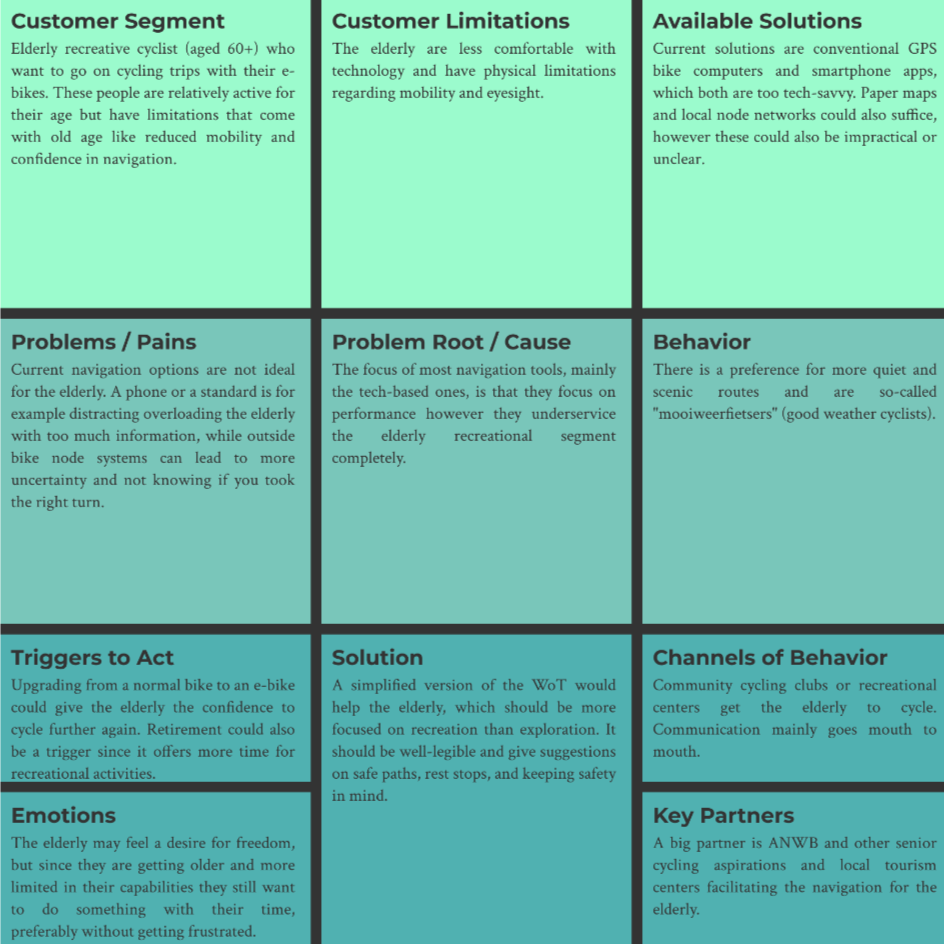
In my bachelor's, I followed various courses regarding business, which allow me to apply an entrepreneurial mindset within a design process. I learned to create and apply theoretical models (such as the Business Model Canvas, SWOT analysis, and Onion Mapping), the basics of IP rights, corporate culture, and approaches towards futures thinking. I view entrepreneurship more as a mindset than a concrete business, allowing for flexibility and the identification of opportunities.
Creativity & Aesthetics
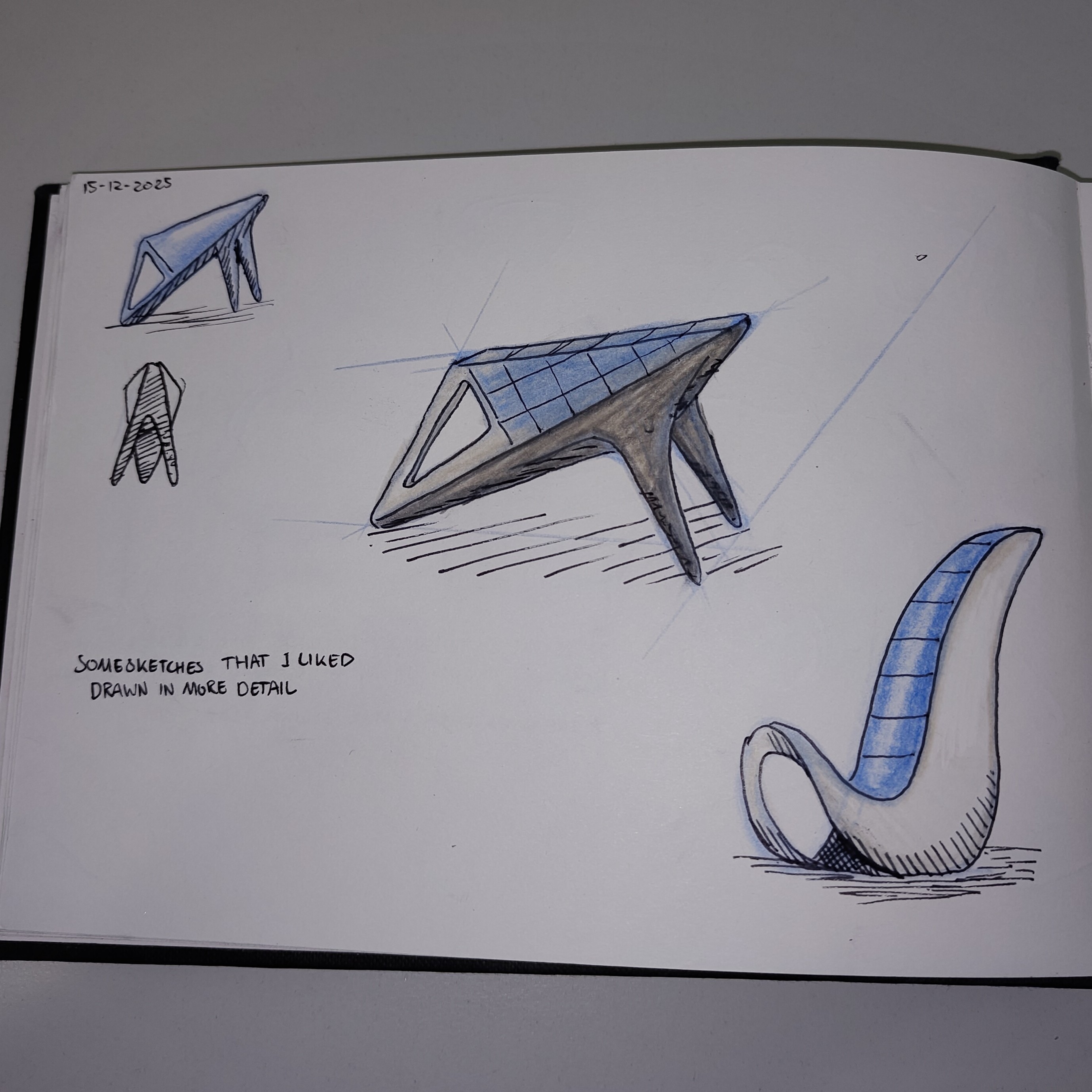
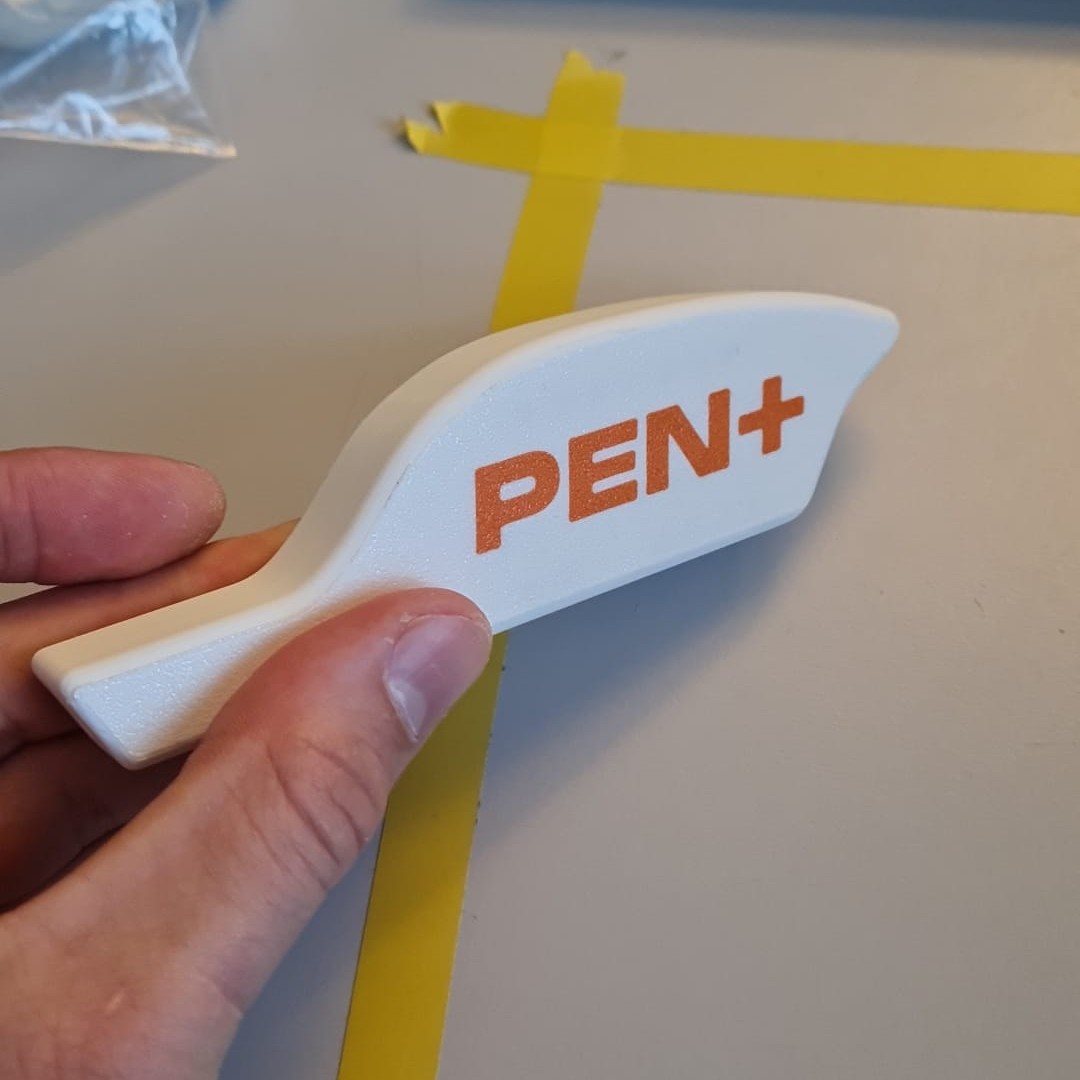
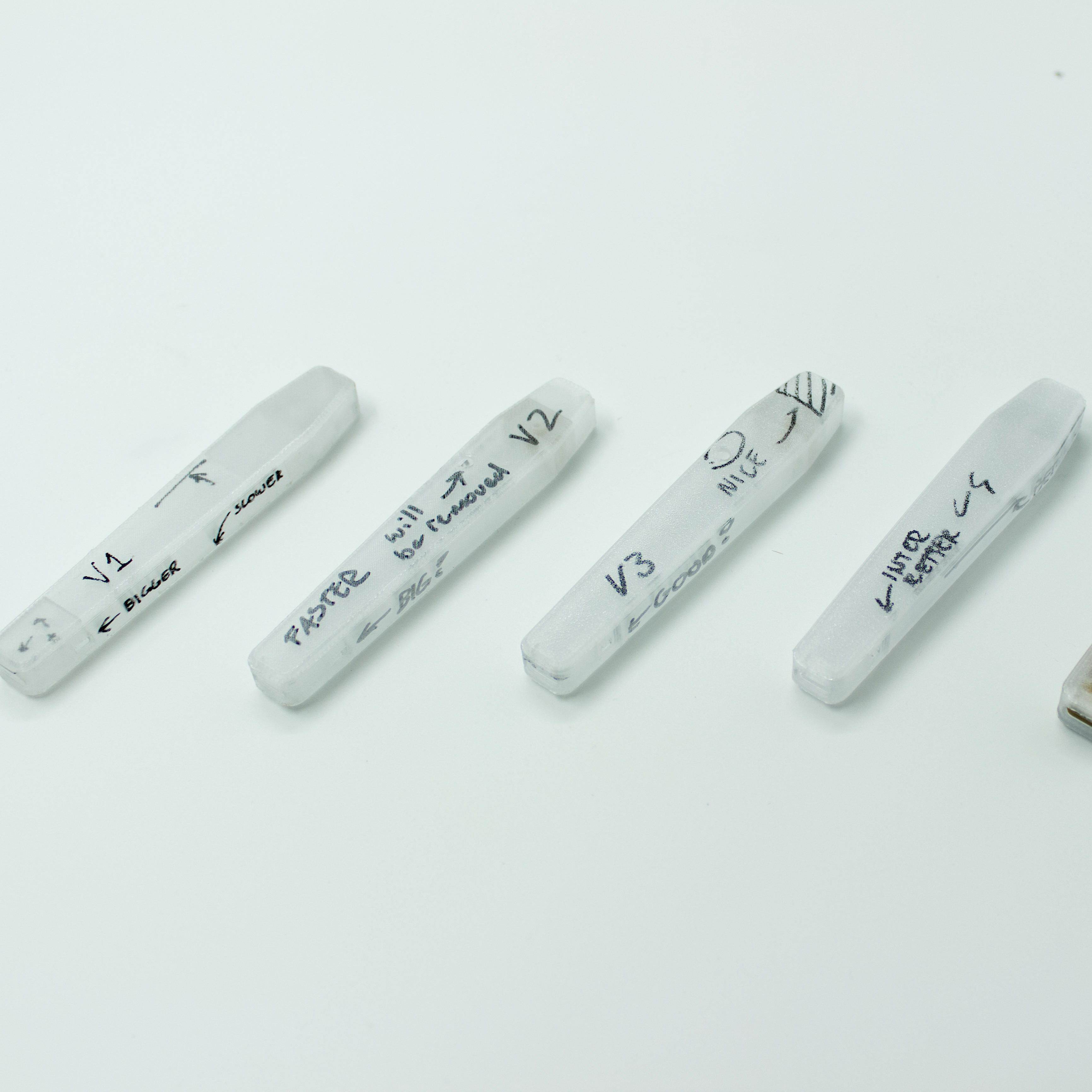
Creativity showed itself in exploration, which was followed by thoughtful reframing. Early on, I expanded my search rather than narrowing it, leading me to test different directions (physical samples, digital exploration, and sketching). This eventually led to a reframing of my scope. Aesthetically, the design of the hook was purposefully considered: it needed to be transparent, revealing its inner workings and signifying that it is not just a hook. This form was refined through a method adapted from annotated portfolios [1], where design decisions were written directly on the iterations. Creativity and aesthetics also extended into the prototype itself, seeing AI as a starting point rather than taking its output as is.
As mentioned in my past, I followed the course Aesthetics of Interaction, which shifted my perspective from a form-follows-function mindset to questioning the relationship between them and how they can be altered. I often use my own creative judgement as a basis that can be explored and validated with scientific background and user testing. This validating step, however, could have been done more thoroughly in my FBP process.
Math, Data & Computing
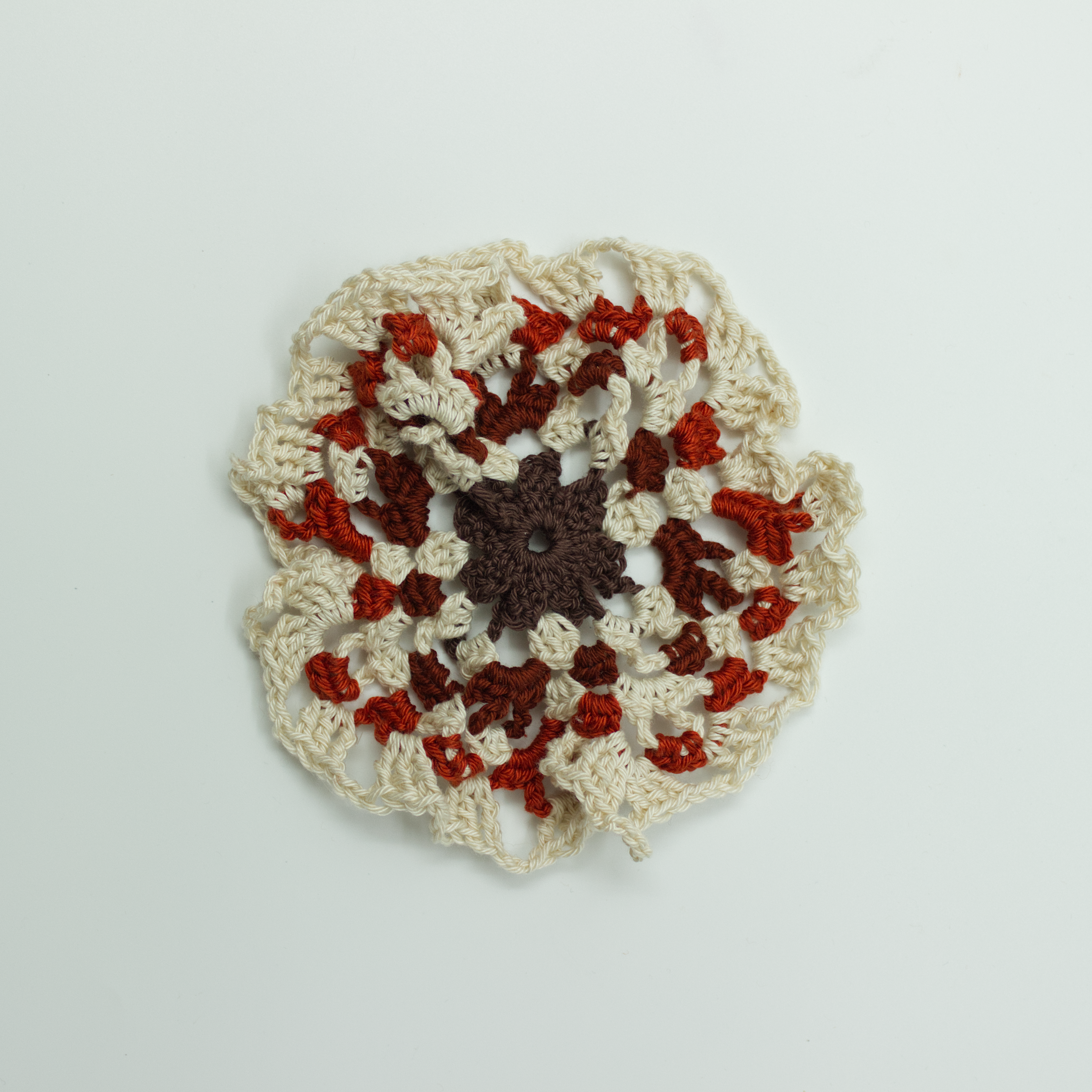
Computational aspects were fundamental to my FBP because they translated the physical to the digital. Over the past few years I built a deeper understanding of this expertise area, starting with simple data analytics and eventually resulting in on-chip AI detection models that could recognize the stitches the user is making from motion data. The methods and theory learned during my studies all combined in my FBP.
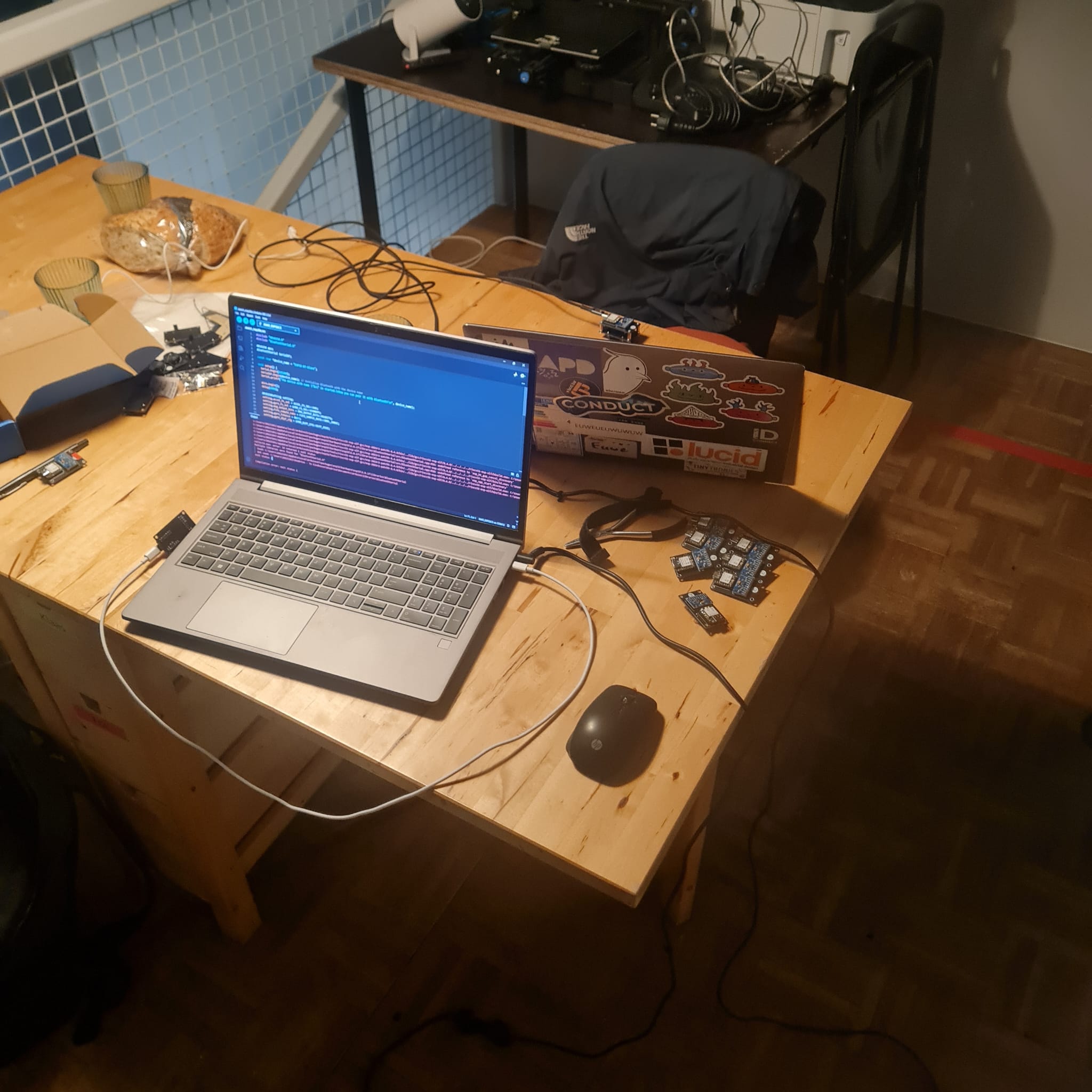
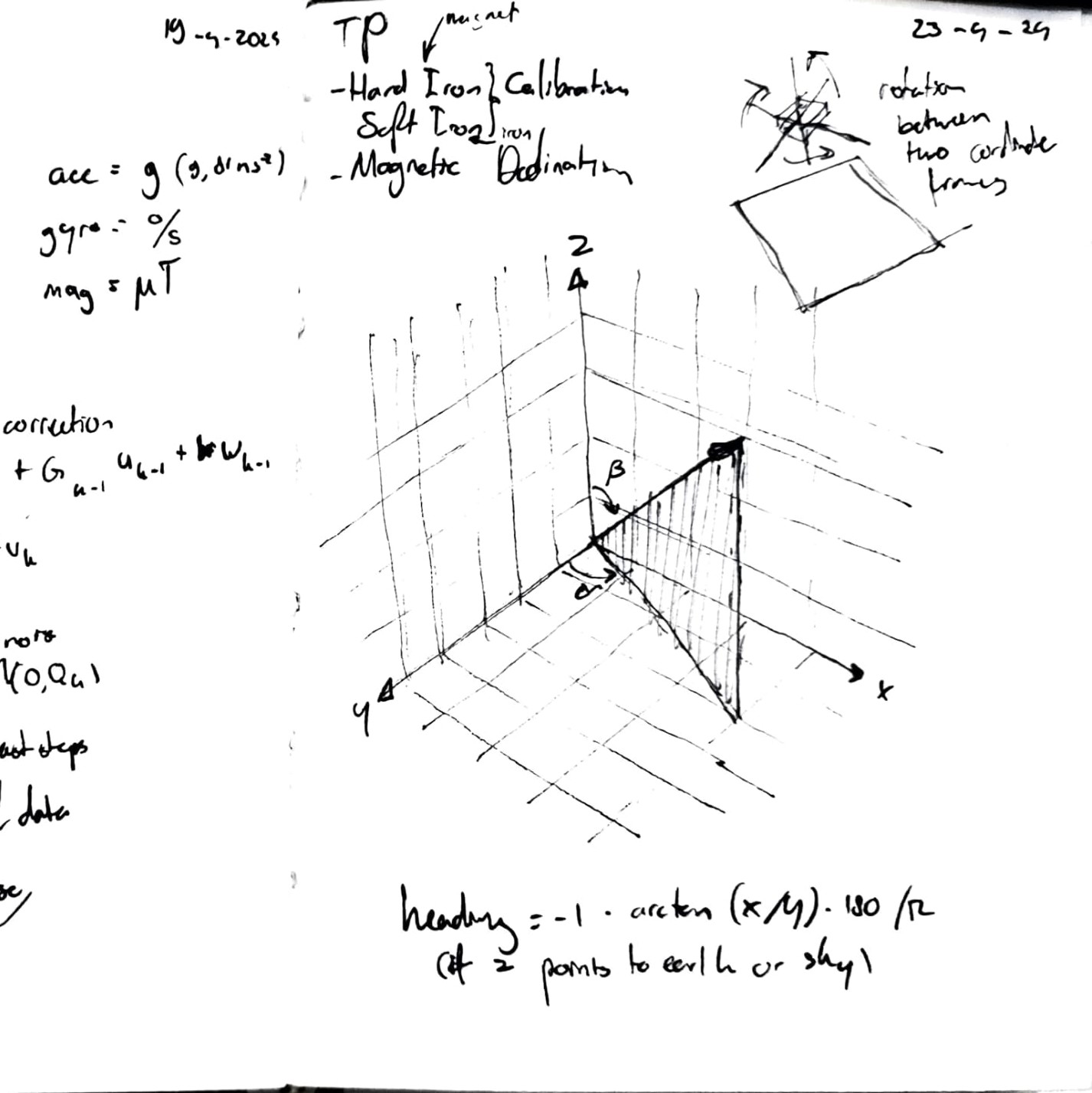
I applied the knowledge acquired from Making Sense of Sensors and Intelligent Interactive Products to analyze sensor data, and I used the motion processing from Project 3 as a foundation to build on. The more theoretical courses of Mechanical Engineering also helped, in the sense that I learned to adopt a mindset open towards complex-seeming systems, dissecting them to comprehend how they work.
Technology & Realization
Realization is a method of materializing and testing my ideas in a physical reality. For my FBP I surpassed my own expectations of what was thought to be possible. Creating a custom-assembled PCB was something I always wanted to do, and the FBP offered a perfect opportunity for it. I learned valuable lessons about the importance of thoroughly checking datasheets and dealing with failure, which called for flexibility and creative solutions.
Courses like Creative Electronics and Creative Programming formed the basis on which I built my technology and realization skills, but they were also driven by my own desire to create, as mentioned in my identity. My internship at Interactive Matter also played a significant role in this, giving me more guidance in the process of applying my realization skills.
User & Society
During my FBP I used user testing to challenge my assumptions. The iterative user testing on the software highlighted pain points in my design that I would not have found myself. Looking at my design through a first-person perspective clouded my view, since I knew the intentions behind the design decisions, which led me to overlook the apparent complexity it initially carried. Ethical concerns also played an important role in my design process, questioning the relationship between humans and technology and the moral aspects behind training AI on human-created data.
The course User Centered Design provided me with the foundational knowledge of user studies. These skills were later strengthened by my other projects, but mainly by Project 3, where through an ethnographic study a third-person perspective was formed to analyze an artifact. Although this was not applied in my FBP, it would be useful to validate it in my future work.
Design & Research Process
Through conducting my FBP, I gained a better understanding of how my personal design process works and is applied. It has its foundation in RTDP [3], performing different design actions with moments of reflection in between. Reflecting on this process, however, I realized that it could have been more explorative in the early stages, rather than being dead set on a single goal. If this had been applied in my process, I would probably have noticed the flaw in my scoping earlier and would have been able to explore more possibilities.
Future
After this summer I will start my dual degree of Industrial Design and Mechanical Engineering (at the research group of robotics) at TU/e, specifically focusing on the interaction between humans and autonomous systems. I aspire to create safe, intelligent (soft) robotic systems that are built for collaboration and provide aid in areas deemed too dangerous for human activity. To do so, I plan to improve my skills in design research methods, more in-the-loop user testing, and creating aesthetic interactions for complex technological systems.
AI Acknowledgement
Claude Opus 4.8 was used to help me tailor custom animations and interactions for this website using CSS and JavaScript, such as the zoom mouse function illustrated here. The conversation can be found at this link.
References
- Bill Gaver and John Bowers. 2012. Annotated portfolios. Interactions 19, 4: 40–49. https://doi.org/10.1145/2212877.2212889
- Jason Hickel and Giorgos Kallis. 2019. Is green growth possible? New Political Economy 25, 4: 469–486. https://doi.org/10.1080/13563467.2019.1598964
- Caroline Hummels and Joep Frens. 2009. The reflective transformative design process. CHI ’09 Extended Abstracts on Human Factors in Computing Systems: 2655–2658. https://doi.org/10.1145/1520340.1520376
- Zachary C. Lipton. 2018. The mythos of model interpretability. Communications of the ACM 16, 10: 31–43. https://doi.org/10.1145/3233231
- Emma Strubell, Ananya Ganesh, and Andrew McCallum. 2019. Energy and policy considerations for deep learning in NLP. Proceedings of the 57th Annual Meeting of the Association for Computational Linguistics: 3645–3650. https://doi.org/10.18653/v1/p19-1355
- Peter-Paul Verbeek. 2006. Materializing morality. Science Technology & Human Values 31, 3: 361–380. https://doi.org/10.1177/0162243905285847